
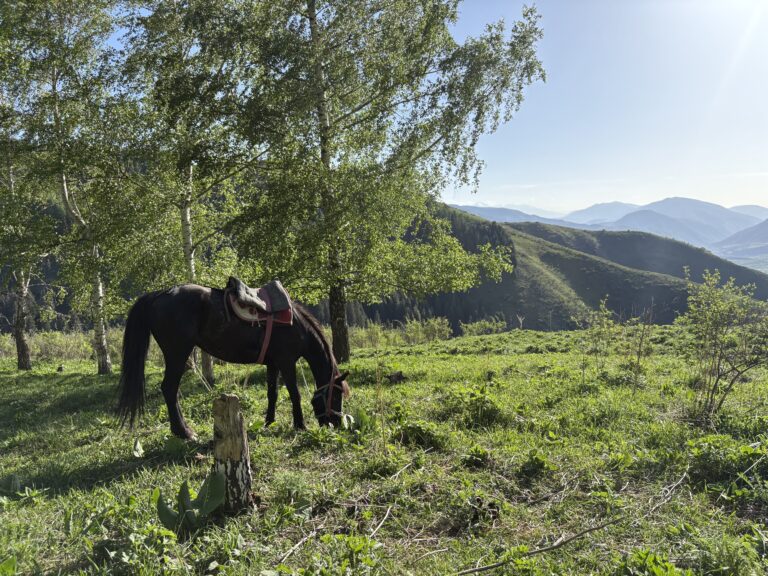
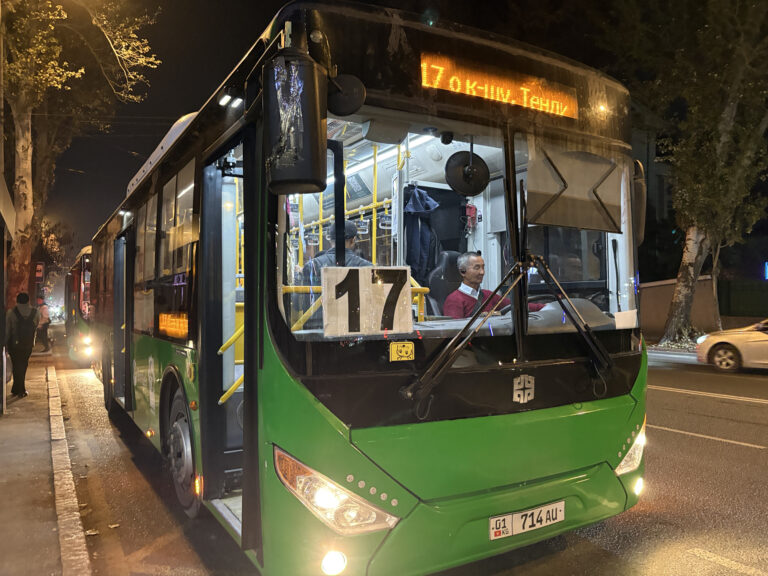





Salam! This is Sugi from ASHU TRAVEL, scenic horse riding journeys in Central Asia.
I recently went back to Japan for a visit and toured some sightseeing spots with my parents.
While I was moved all over again by how polished Japan’s tourist destinations are, one question stayed on my mind the whole trip.
Why do trips to Kyrgyzstan make you want to go back again and again?
Using three differences from Japanese sightseeing spots as clues, I’ll try to unravel this mysterious appeal from the perspective of a staff member living in Kyrgyzstan.
Sightseeing That Satisfies in One Visit vs. Travel That Moves You
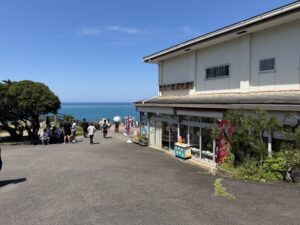
During my visit home, we went to several sightseeing spots in Japan, including Sandanbeki cliffs in Wakayama.
Japanese tourist spots are really so well put together. Signs, restrooms, souvenir shops: everything is there. The nature and the food were wonderful, and my parents were thrilled. I truly enjoyed it myself, too.
Then, as we walked, it suddenly struck me.
These places are so polished that they leave you fully satisfied after just one visit.
That’s exactly why you then feel like seeing somewhere different next time.
I think that polished sightseeing, which fully satisfies you in a single visit, is the strength of Japan’s tourist spots.
At the same time, I remembered what it’s like when I get back to Kyrgyzstan.
With Kyrgyzstan’s sights, you want to return to the same place again and again.
More than that, even though I rarely cry, there are times during trips in Kyrgyzstan when my heart trembles and tears come, even at places I’ve been to many times.
So much of it moves me deeply.
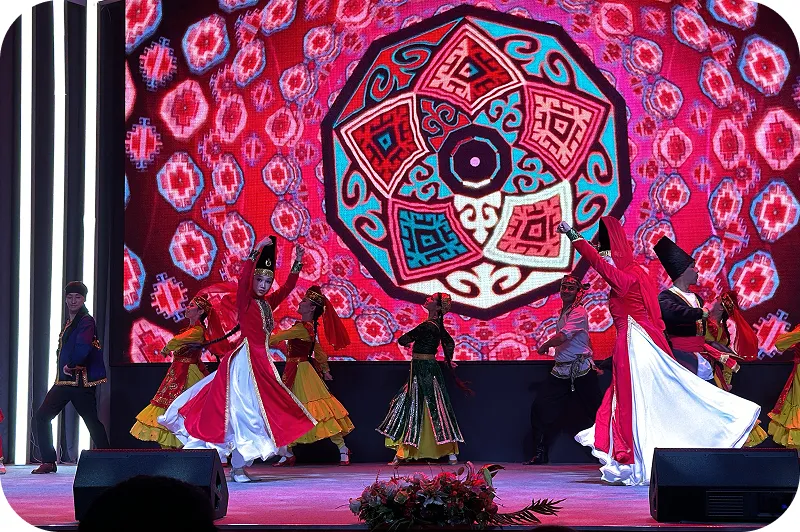
Guests who have traveled with ASHU TRAVEL tell us it was an unforgettable trip, and a great many of them actually come back to Kyrgyzstan again and again.
In Japan, polished sightseeing that satisfies you in one visit; in Kyrgyzstan, sightseeing that grabs your heart and makes you want to come back again and again.
Where on earth does this difference come from?
Why Travel in Kyrgyzstan Moves You | 3 Differences from Japan
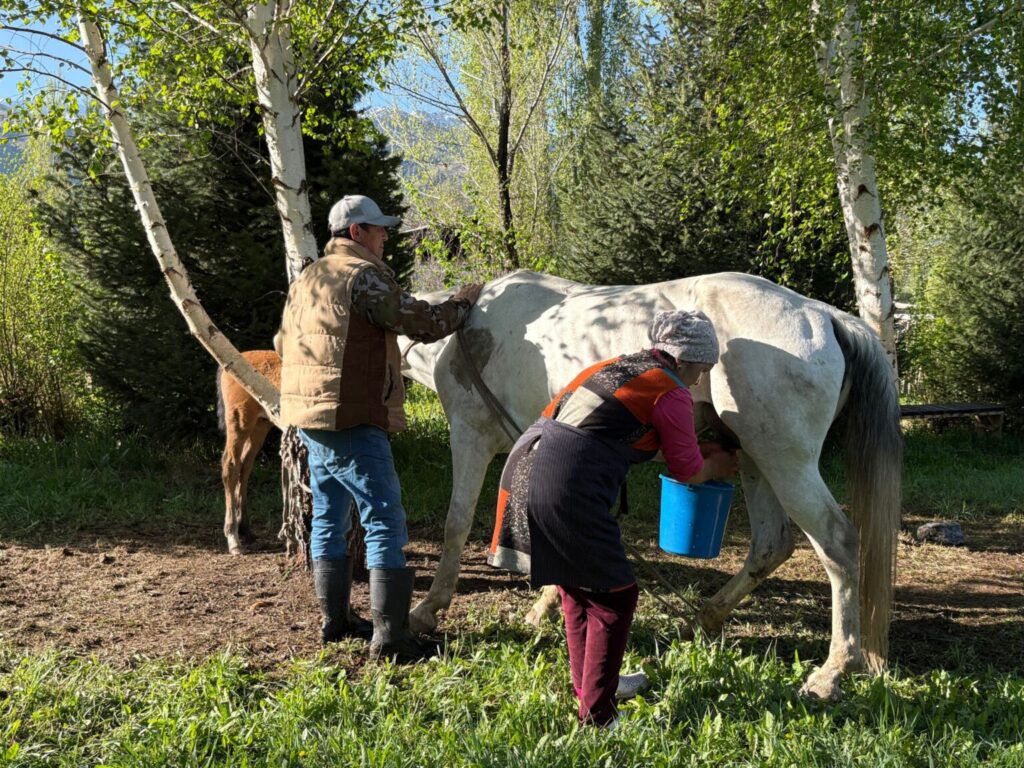
This is just my personal take, but I feel these three things are what make a trip to Kyrgyzstan “a trip you want to come back to.”
Difference 1 | There are almost no detailed information signs
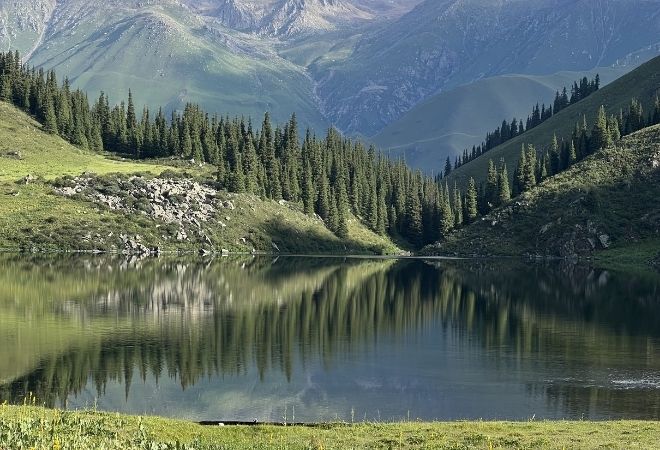
At sightseeing spots in Kyrgyzstan, there are very few signs to begin with.
Even when there is one, it just has the place name on it. “This is such-and-such. That’s all.” Refreshingly minimal.
Well-maintained places like Burana Tower and Ala-Archa have explanatory signs, but at spots where the main attraction is nature, there’s really no information at all.
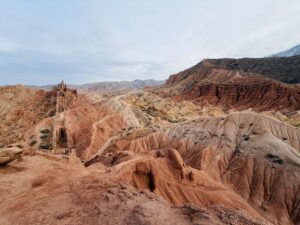
Take Skazka Canyon, for example, a scenic spot with endless red rock walls and one of my favorite places.
The scenery is truly amazing, but there’s only about one sign at the entrance. You can’t learn much about its history or legends.
At a temple in Japan, everything is carefully written out: when it was built and by whom, the stories connected to it, even the meaning of a particular stone. There’s multilingual information too, so you can sightsee comfortably on your own.
But in Kyrgyzstan, the view in front of you captures your heart before any background information does. Perhaps it’s precisely because things are so simple that the scenery itself stays with you so strongly.
Difference 2 | Fewer restrooms and shops than you’d imagine
Skazka Canyon has no restrooms.
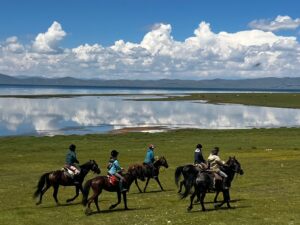
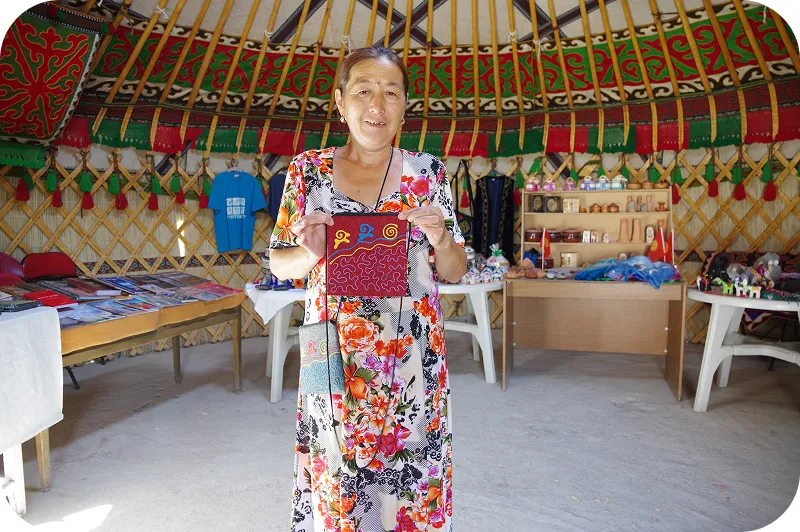
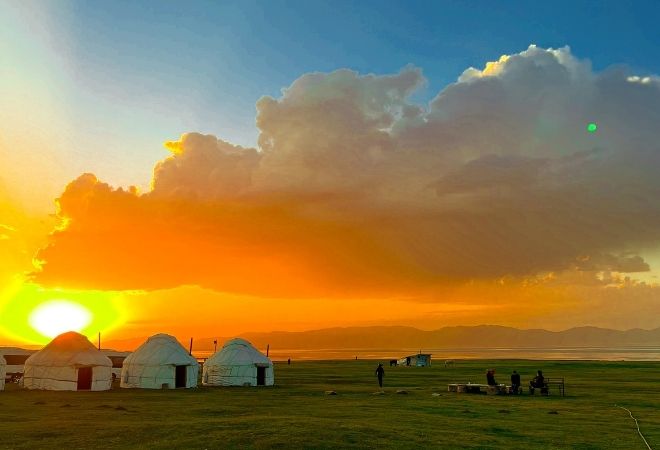
Song-Kul Lake has become more developed for tourism, and there are more yurt camps with toilets and showers, but there are practically no shops. No souvenir shops, no restaurants, no kiosks in sight.
In Japan, famous sights are always surrounded by rows of souvenir shops and restaurants, with clean restrooms. There’s even a soft-serve ice cream stand with a local specialty flavor waiting for you.
You can sit down when you’re tired, you can find a restroom right away, and there’s food and sweets for every craving. It’s a design that thinks of everything for visitors.
In Kyrgyzstan, that kind of attentiveness simply isn’t part of how sightseeing spots are designed.
You bring your own water, gaze at the cliffs, listen to the wind, and head home.
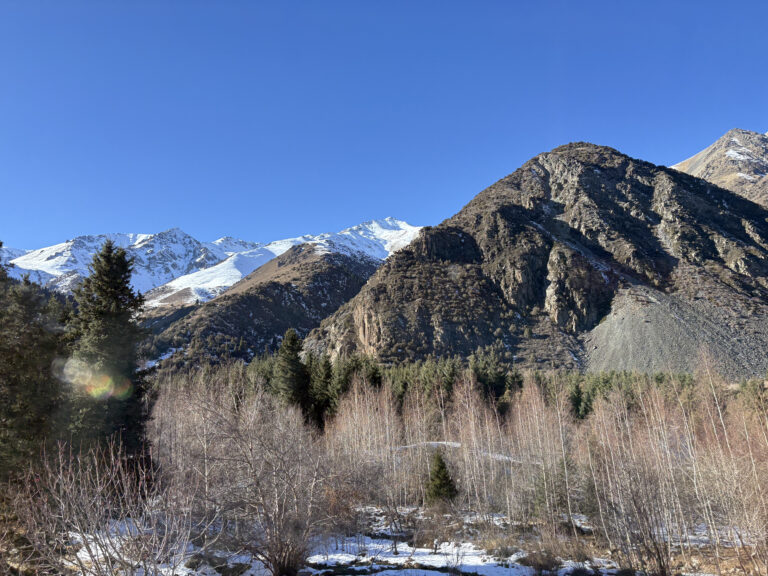
Kyrgyzstan is very simple, and that lets you focus on the nature right in front of you.
Difference 3 | Information lives in people, not in places
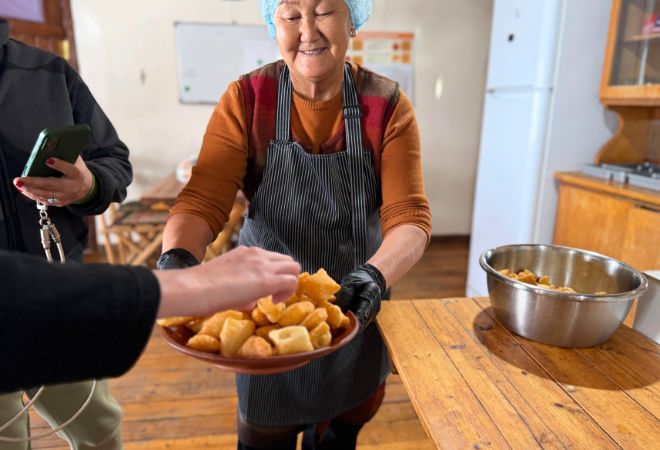
This is the part I find the most interesting.
Sightseeing in Japan is, so to speak, sightseeing you understand through text.
The information is installed at the place itself, and by reading signs, pamphlets and multilingual displays, you can understand it all on your own.
Sightseeing in Kyrgyzstan is sightseeing you hear from people.
The legend of this mountain, why there’s a yurt here, how this lake has been used by locals: all of it is held not by signs but by people. By guides, or by the local grandpas and grandmas you happen to meet.
In other words,
in Japan, information is installed in places.
In Kyrgyzstan, information lives in people.
You could say that instead of signs, people show you the way.
And I think stories you hear from people stay with you many times longer than anything you read on a sign.
In Kyrgyzstan, You Can Immerse Yourself Completely in Nature
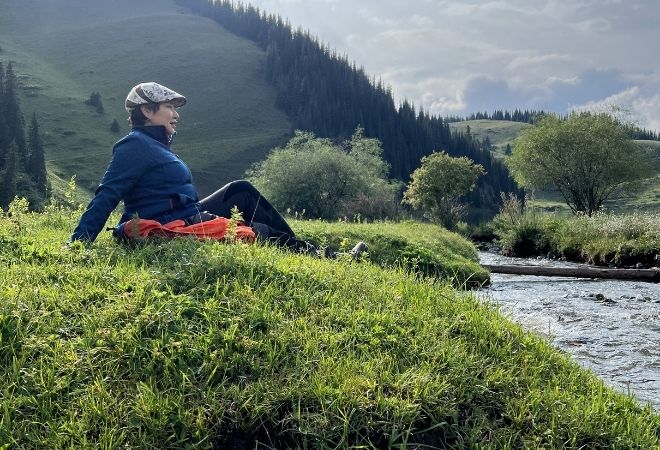
“Wait, no restrooms or shops…?” You might feel uneasy at first.
But after walking for a while, the silence draws you in.
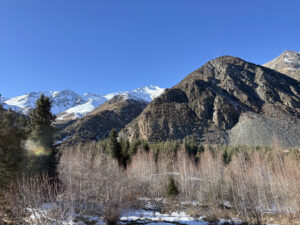
With so few man-made things in view, the sound of the wind, the birdsong and the flowing water reach deep into your ears.
Since you’re not following signs, your eyes naturally turn to the scenery itself.
With no shop touts or tourist announcements, even your mind becomes quiet.
Kyrgyzstan’s sightseeing spots are set up so that precisely because there’s little information, the experience becomes richer.
With a Guide, a Trip to Kyrgyzstan Is Transformed
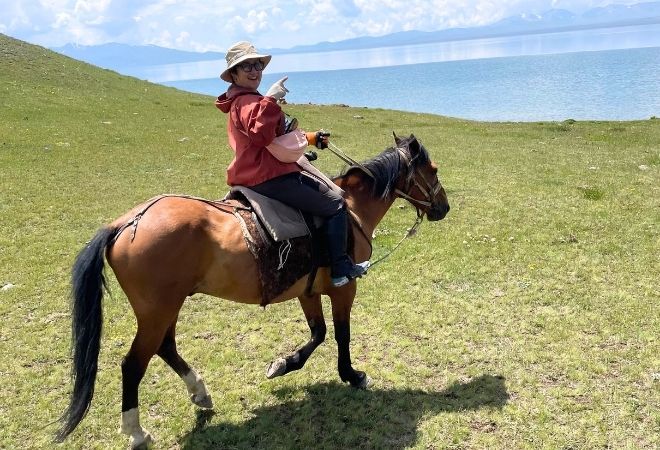
These days, you can research quite a lot in advance with social media and AI. Independent travel is perfectly doable.
Even so, I believe that in Kyrgyzstan, having a guide completely changes the quality of your trip.
Flexible hospitality
What ASHU TRAVEL’s guides do isn’t simply working through a fixed schedule, but offering hospitality tailored to the guests in front of them at that moment.
They pay close attention to how guests are doing, talk with them, and suggest whatever is best in that moment.
“You look tired, so shall we take a break around here?”
“The weather’s great today, so let’s try this route!”
“Oh, by the way, there’s a story about this village…”
And so on. Instead of permanent signs, they have a huge store of knowledge that comes out naturally on the spot.
The Japanese-trained attentiveness of our Japanese-speaking guides
ASHU’s guides, both English-speaking and Japanese-speaking, are all very attentive people.
Our Japanese-speaking guides in particular have often been to Japan themselves, and they know that Japanese attention to detail firsthand.
Kyrgyz hospitality is wonderful for its warmth. Add that Japanese attention to detail, and personally I think ASHU’s Japanese-speaking guides might just be the best there is.
We recommend keeping the itinerary deliberately loose
On ASHU’s tours, we research safety thoroughly but intentionally leave room in the itinerary.
The weather that day, how guests are feeling at the time, an interesting detour discovered along the way.
Not over-planning and choosing what’s best on the spot ultimately makes for a better trip.
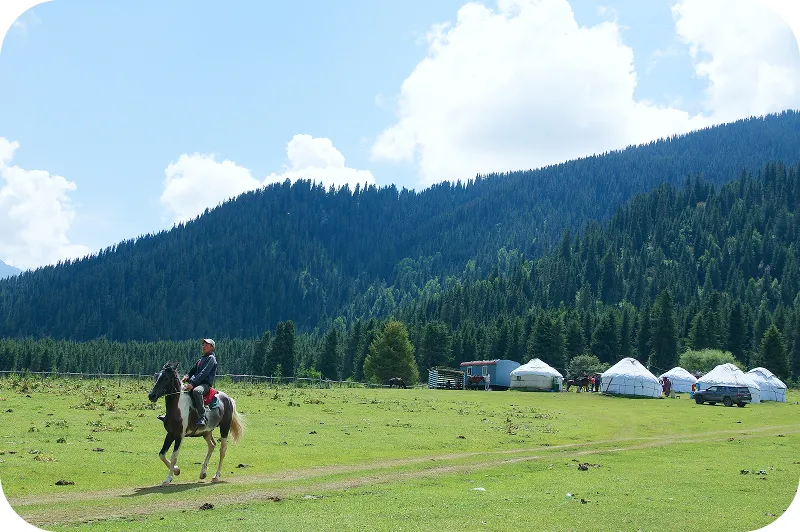
For example, on a trip around Issyk-Kul, the guide might stop by a yurt workshop they know, or when passing near Chong-Kemin on a Sunday, stop at the livestock bazaar.
Japan has a culture that values schedules, so Japanese guests may want to know what time they’ll arrive and where they’re going next.
Of course, we’ll answer as much as we can in advance.
But if you leave things to your local guide to some extent, you may end up with the best views of the day, or a meal at just the right moment.
A Country Where People Take the Place of Signs
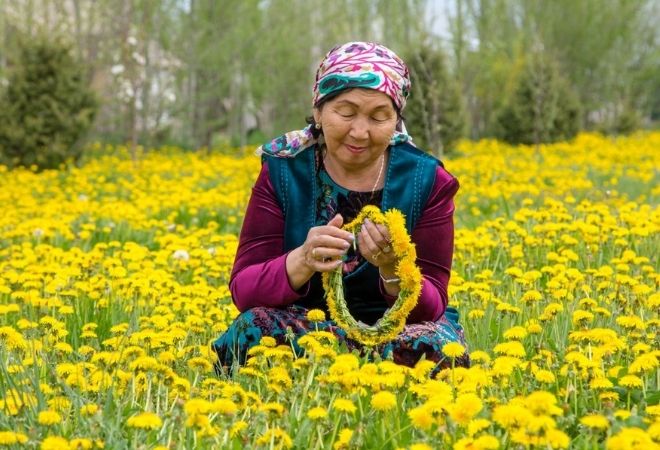
Kyrgyzstan has few signs at its sightseeing spots, but the people more than make up for it.
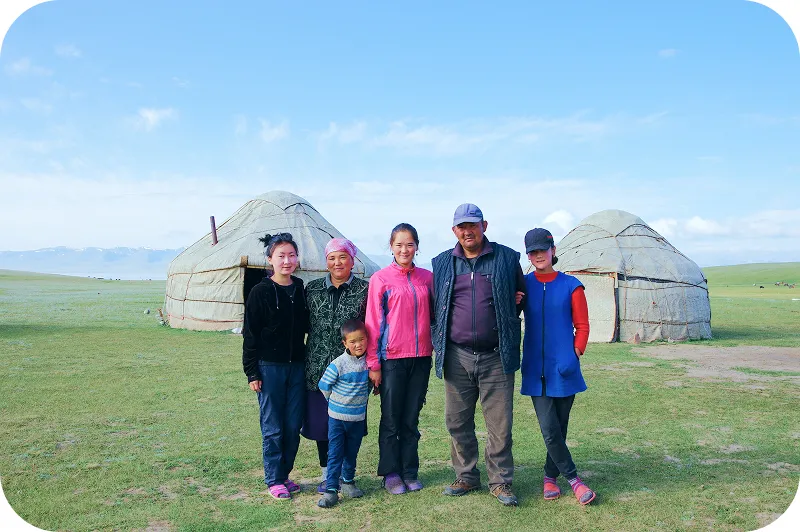
You ask for directions in a village, and before you know it you’ve been invited home for tea.
“Japanese? We’re brothers!” they say, welcoming you as if you were family even though you’ve just met.
Your guide tells you the legends of the mountains and the origins of a lake’s name as if telling an old folk tale.
Instead of reading signs, you get to know the land through people’s words.
Information living in people means that along the way, you encounter someone’s story.
I think that’s probably the most fascinating thing about traveling in Kyrgyzstan, and the reason it pierces your heart and makes you want to come back again.
If You’re Curious, Here’s a Trip for You
A trip where you can experience both Kyrgyzstan’s spectacular scenery and the stories of the people who live there.
If you’re interested, please take a look at ASHU TRAVEL’s tours.
▶︎ See ASHU TRAVEL’s tours
▶︎ Latest updates on Instagram
▶︎ Ask us on our official LINE
▶︎ Inquiry form



 Related Articles