





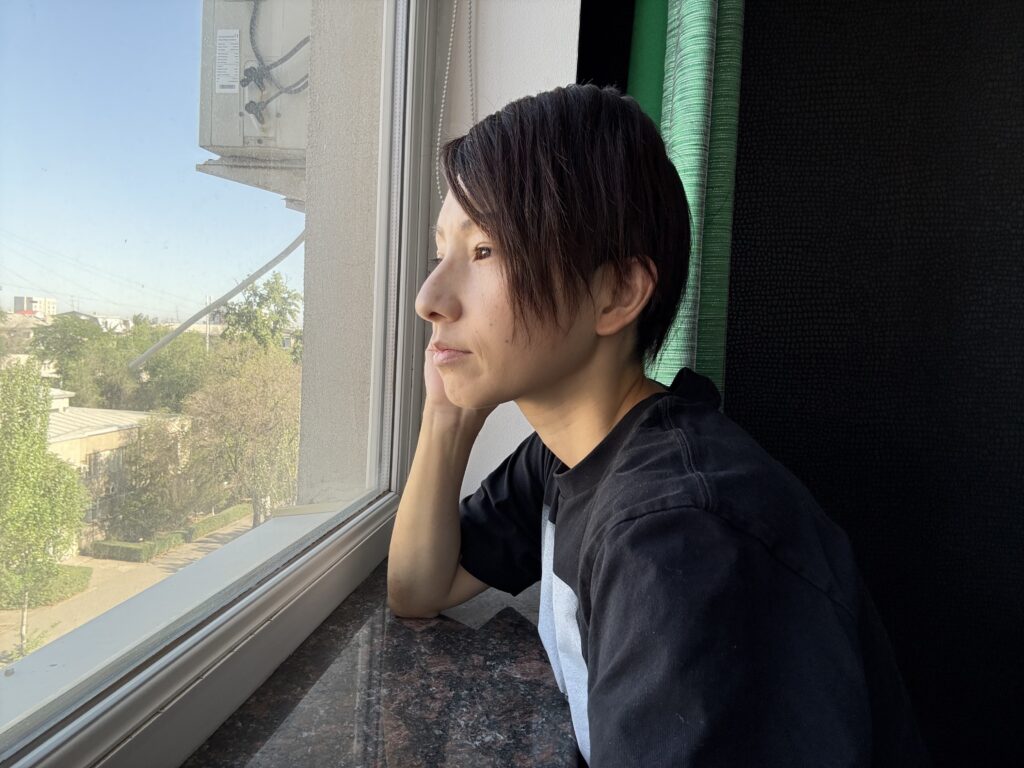
Salam! This is Sugi from ASHU TRAVEL.
From now on, I’ll be writing about my days learning Russian in Kyrgyzstan as my “Russian Struggle Diary.” In this first post, I’ll explain how I got involved with ASHU TRAVEL in the first place and why I came to study Russian.
Let me tell you a little about myself.
My Travel Story Began in Mongolia
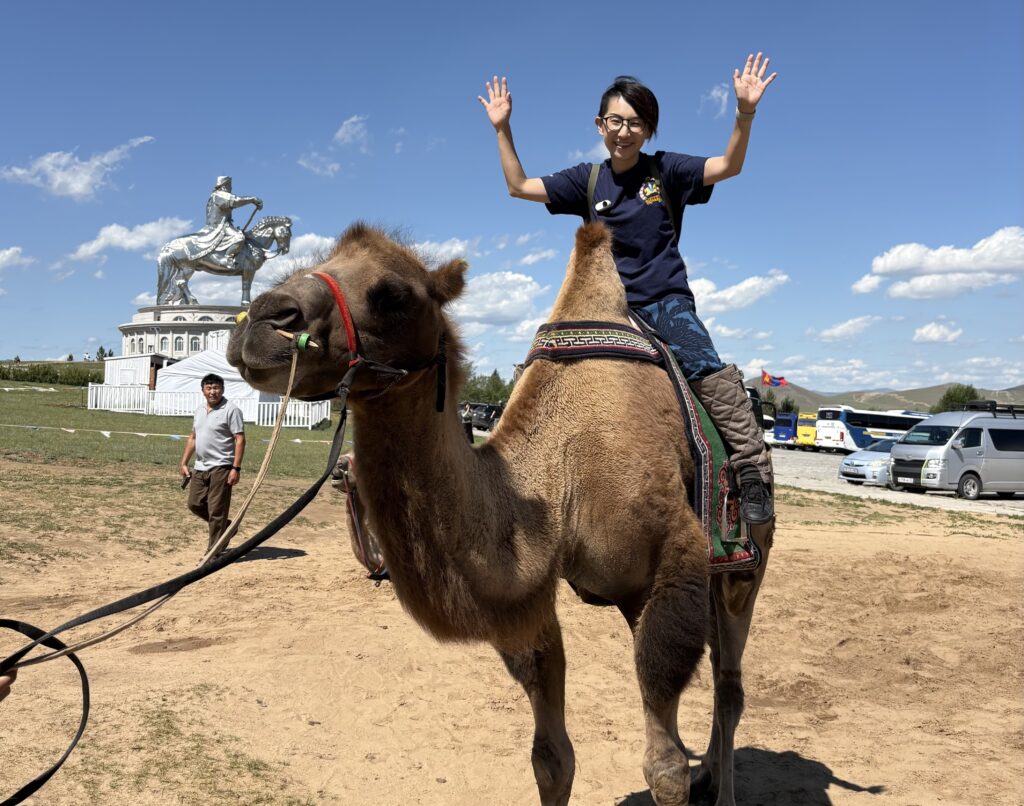
My starting point wasn’t Kyrgyzstan, but Mongolia.
I work with “Tsokto Mongolia Horse Riding Tours,” a horse riding tour run by local nomads, handling marketing as part of the Japanese support team.
Marketers can work in many different ways, and in some cases you can work from anywhere as long as you have a computer and the internet. Being a digital nomad abroad is one example.
But for me, only dealing with “the world on the other side of the screen” wasn’t enough.
If I was going to do it, I wanted to share what I had truly experienced, in my own words.
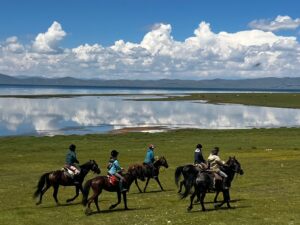
With that in mind, I chose to gallop across snowfields on horseback, stay in nomads’ gers (yurts), and feel local life firsthand.
On the Mongolian steppe, I met people who live by values completely different from mine. A life as free as the wind, putting neither schedules nor efficiency first. Yet a life with great responsibility for family and livestock.
Those encounters gradually melted my shell and opened up my heart.
And Then I Fell in Love with Kyrgyzstan
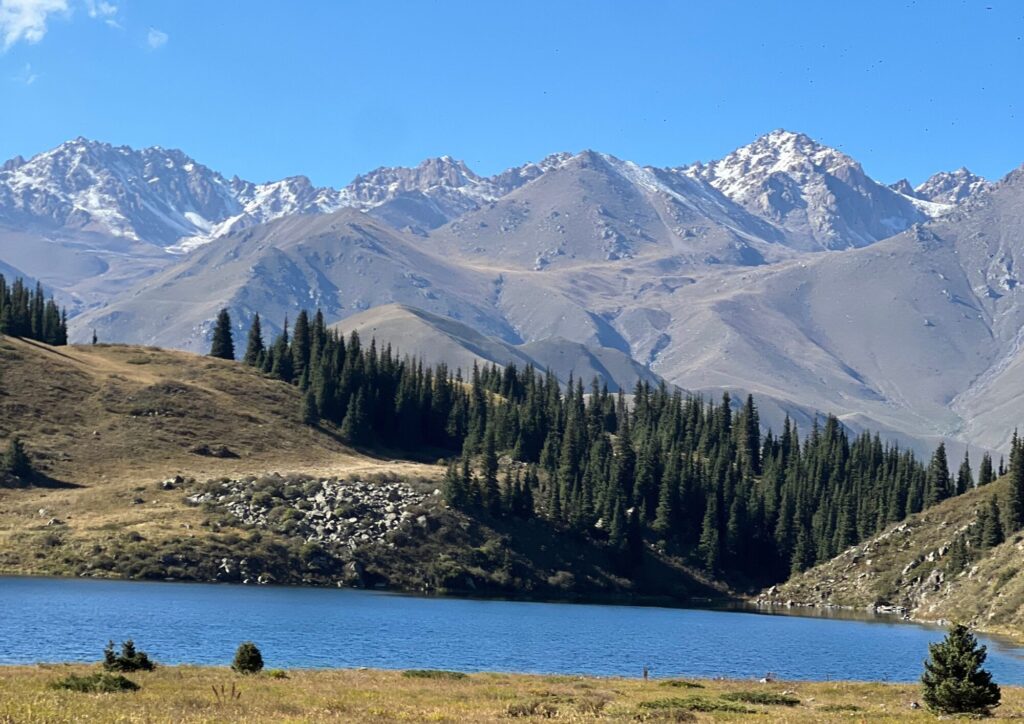
We decided to focus on Central Asia as well, and Kyrgyzstan was where I went on an inspection trip.
There, I fell in love in an instant.
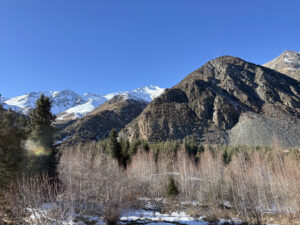
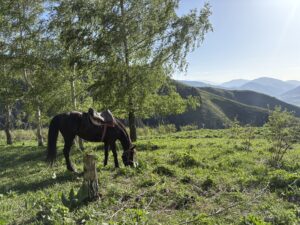
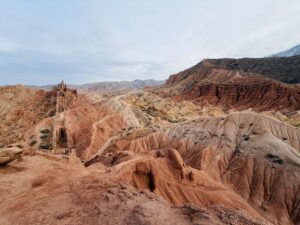
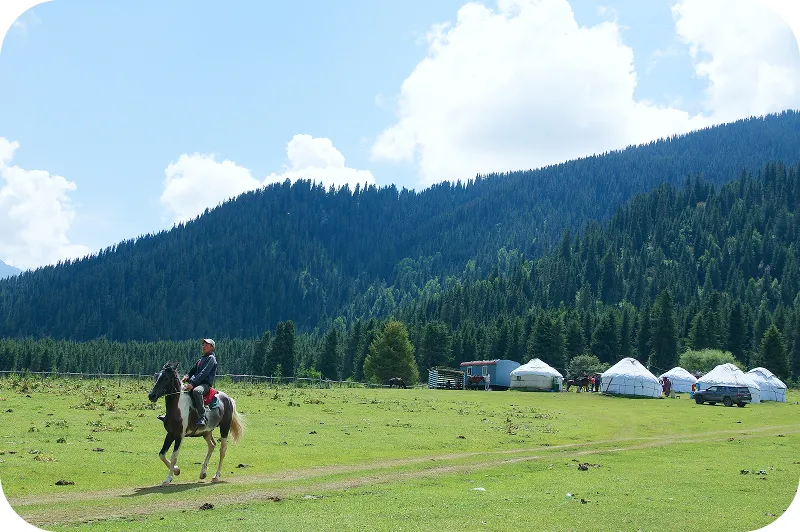
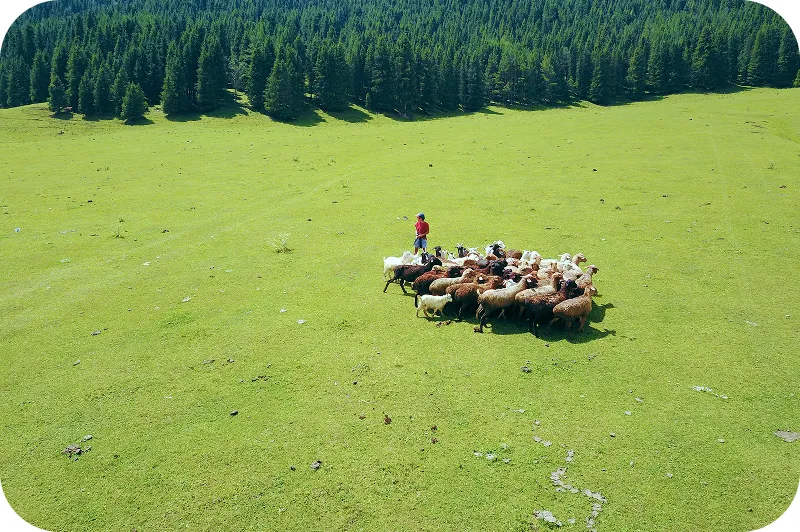
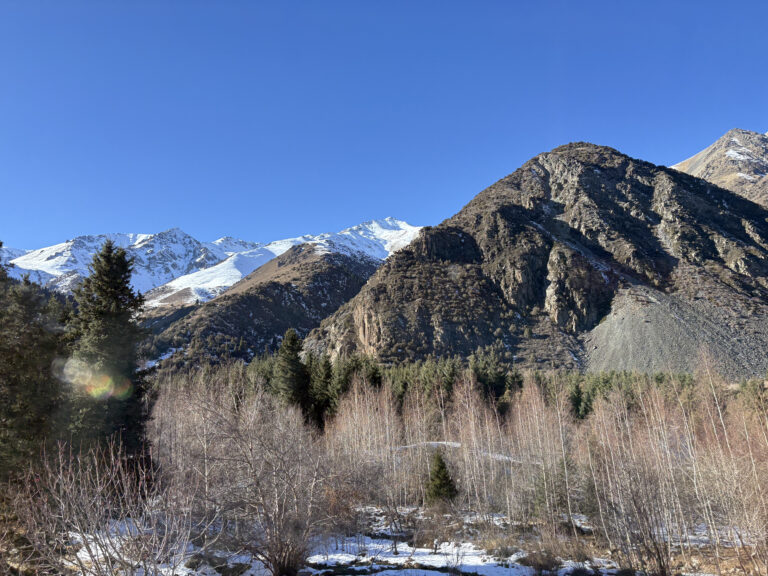
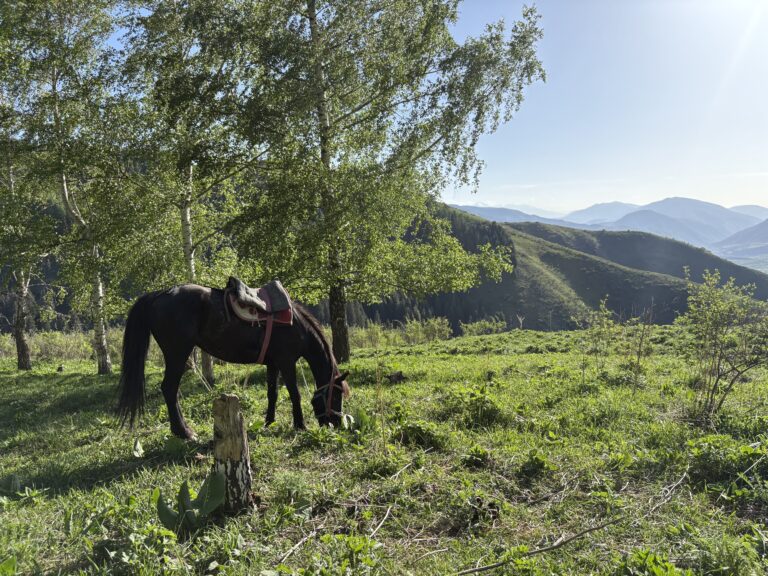
Majestic mountains, sometimes called “the Alps of Central Asia.” And a breathtaking horse riding experience, riding up those mountains.
Experiencing something breathtakingly out of the ordinary in nature, I felt as if a new door were opening inside me.
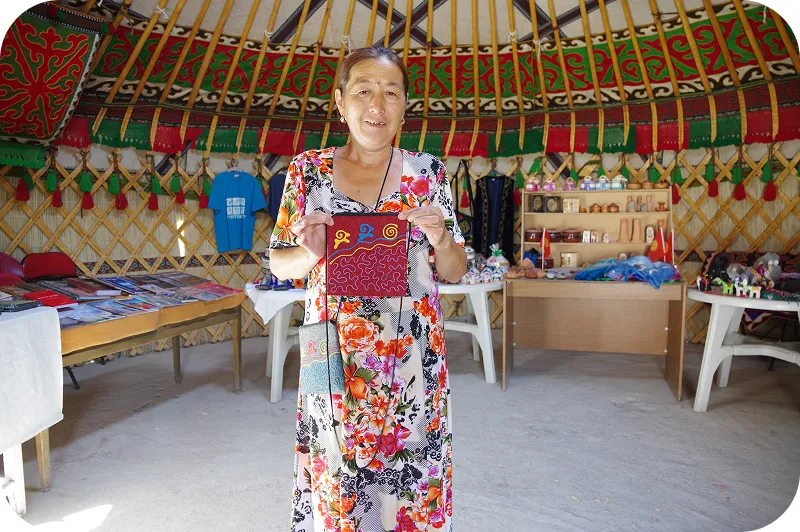
And above all, I was captivated by the warmth of the Kyrgyz people. They welcomed me, a stranger, like family, and spoke up to help whenever I was in trouble.
What’s more, wherever I went, people told me, “The Japanese are our brothers.”
More in this column ▶Are Kyrgyzstan and Japan Brothers? Are They Alike? The Curious Connection with a Japan-Friendly Country
Nuriya, the head of ASHU TRAVEL, is especially wonderful. She brings warmth not only to our customers but to everyone she works with. Her Japanese is excellent, and she’s fun to talk to.
It Frustrated Me When People Asked, “Where’s Kyrgyzstan?”
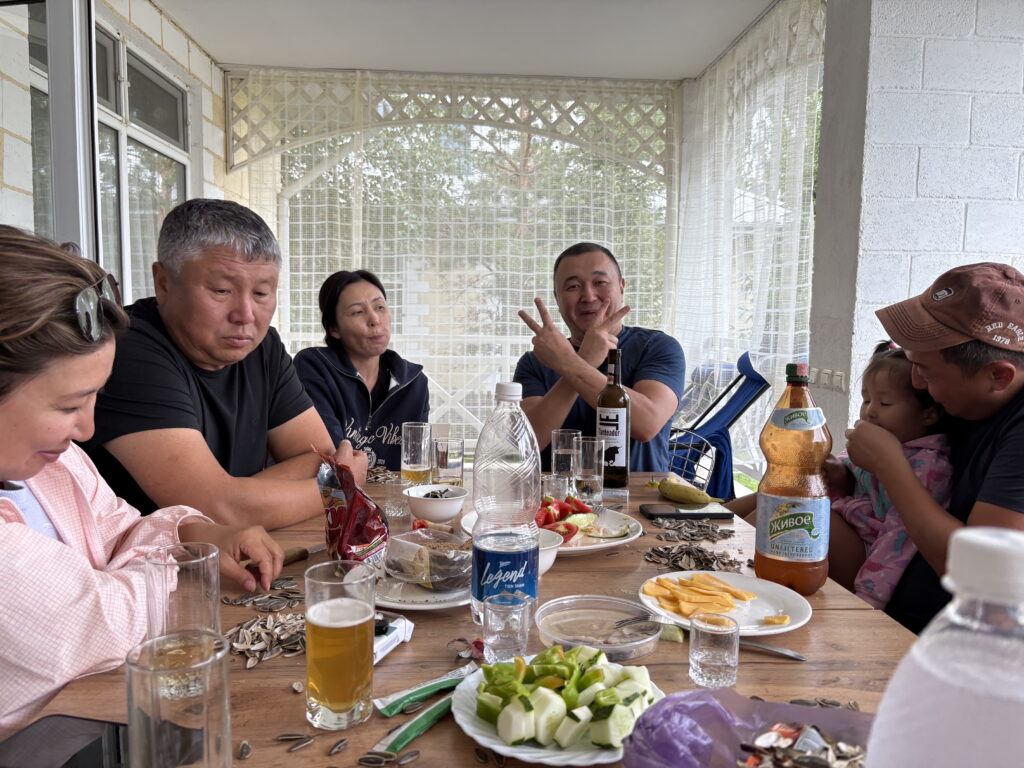
But when I went back to Japan and talked about it, the first reaction I got was, “Huh, where’s Kyrgyzstan?” I used to be the same, though…
There are people who think so fondly of Japan, yet we barely know they exist.
I found that such a waste, and it frustrated me to no end.
Through ASHU TRAVEL, I want to share the beauty of Kyrgyzstan’s nature, the hospitality of its nomads, and the appeal of “a journey that sets your heart free.”
But a big wall stood in my way.
The language barrier.
Some Things Don’t Come Across Through an Interpreter Alone
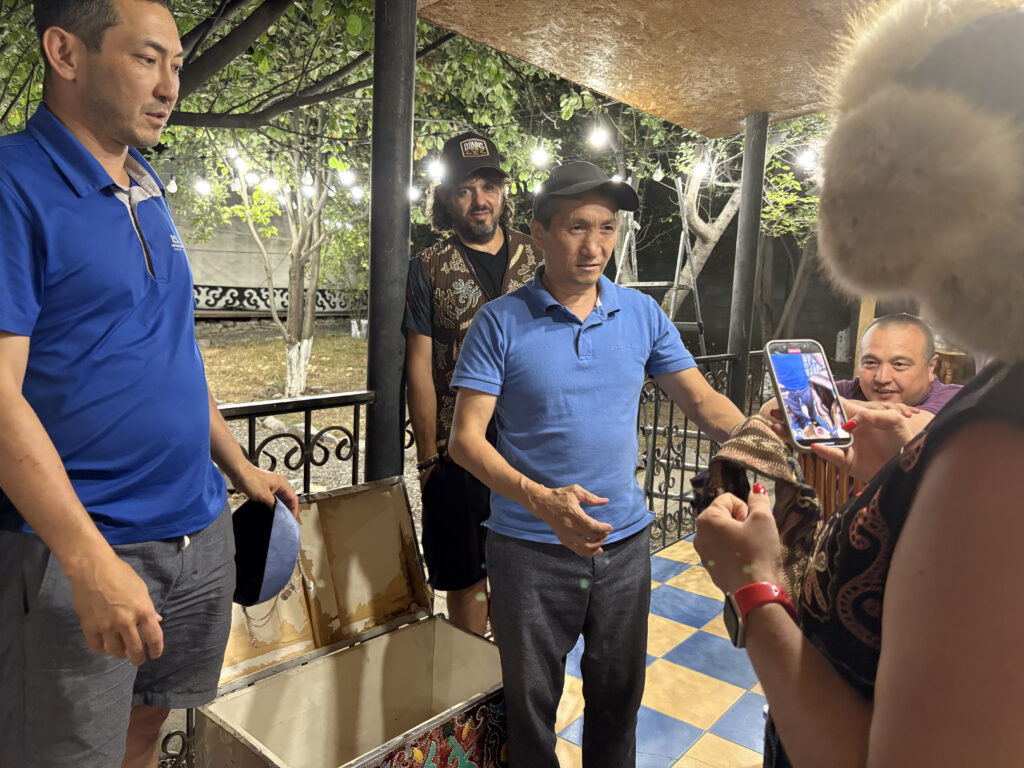
ASHU TRAVEL has reliable local guides, Nuriya and Nurbek.
In Kazakhstan there’s our English-speaking guide Aibek, and we also have a network of English- and Japanese-speaking guides in Tajikistan, Uzbekistan, and Turkmenistan.
With them, I can get interpretation for Russian, Kyrgyz, and Kazakh.
But at some point I realized:
“What’s needed here isn’t translation, it’s understanding.”
How do they feel when they welcome our guests?
How do they perceive what’s appealing about Japan?
To truly understand that, I felt I needed to hear it with my own ears and speak with my own mouth.
Studying Russian Abroad from Age 40
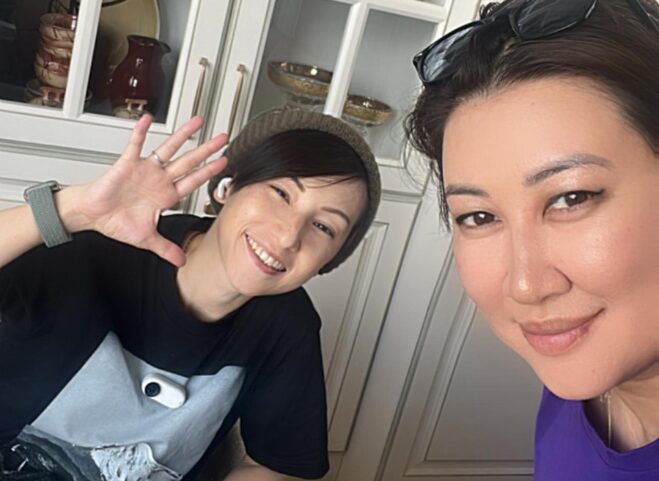
And so, just as I turned 40, I decided to start studying Russian. Kyrgyz and Kazakh would be too hard to tackle right away, so I’m starting with Russian, which is widely used across these countries.
I go to language school during the day and work in my spare time (since I’m paid from Japan, it’s essentially remote work as a digital nomad abroad).
I do have worries. But I still have half my life ahead of me. If I live another 40 years, I can feel that I’m only at the “beginning.”
You can take on a challenge at any age.
I’d be happy if this could inspire someone to think that way too.
From here, I’ll write honestly about my “days with Russian,” like stumbling over the Cyrillic alphabet and the first day I went shopping on my own.
I hope you’ll follow along at your own pace.



 Related Articles