




Salamatsyzby! This is Sugi from ASHU TRAVEL, scenic horse riding journeys in Central Asia.
On March 20, Bishkek felt a little different from usual.
When I tried to go to a café, it was full and I couldn’t get in, and the usually busy roads had hardly any cars. My Russian teacher happily told me, “Today I’m going home to my family in Issyk-Kul.”
The next day, March 21, was Nooruz in Kyrgyzstan: the Central Asian New Year, celebrated on the spring equinox.
This time, from the perspective of a staff member living here, I’ll introduce the culture and customs of Nooruz, along with things travelers should know.
What is Nooruz? Kyrgyzstan’s New Year, celebrated on the spring equinox
Nooruz is a New Year festival celebrated on the spring equinox.
It originally comes from ancient Persia, and Zoroastrianism is said to have long treasured the spring equinox as a sacred day.
“Nooruz” means “new day” in Persian. It celebrates the end of winter and the start of spring, with wishes for good fortune in the new year.
Today it is widely celebrated across Eurasia, in Kyrgyzstan as well as Kazakhstan, Uzbekistan, Iran, Afghanistan and other countries.
The dates differ by country, but in Kyrgyzstan March 21 is a public holiday.
My Russian teacher says, “This is the real New Year”
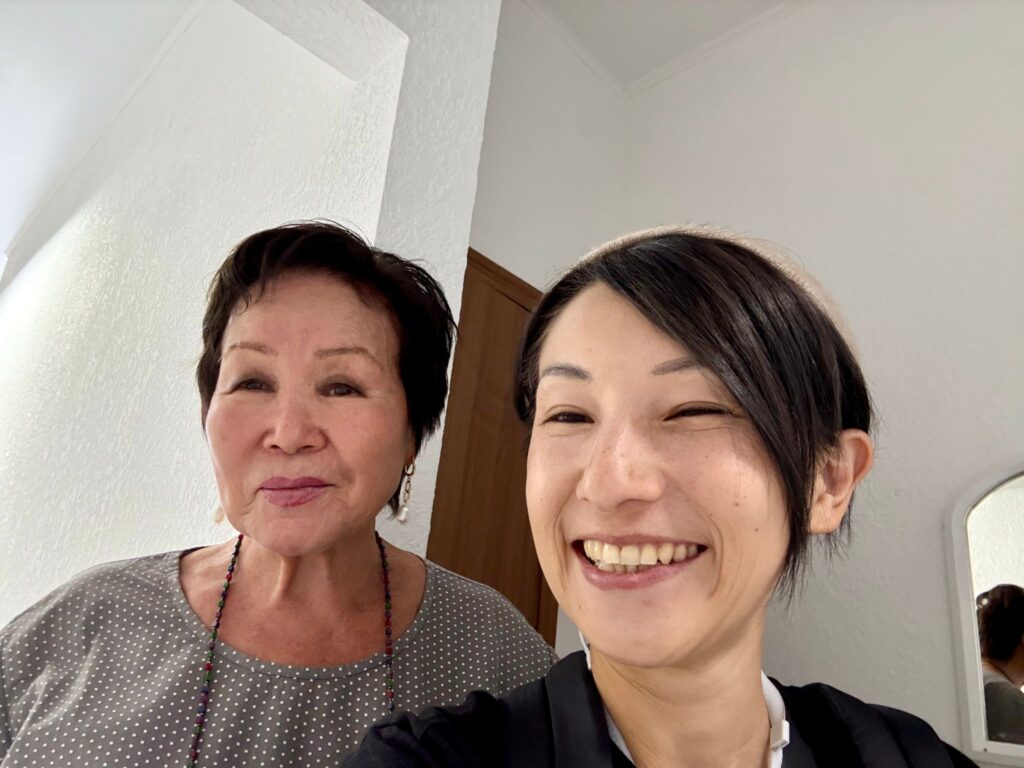
January 1 is of course also celebrated as New Year, but my Russian teacher told me, “Nooruz is the traditional, real New Year.” The New Year that arrives with spring seems more deeply rooted among Kyrgyz people than the Gregorian one.
Hearing this, I thought it was similar to Tsagaan Sar (Lunar New Year) in Mongolia. In Mongolia, too, the lunar New Year is valued as the “real New Year” more than January 1.
For more on Mongolia’s Tsagaan Sar, see this article as well.
(↑ Website of our partner company, Tsokto Mongolia Horse Riding Tours)
Kazakhs in Mongolia celebrate Nauryz too
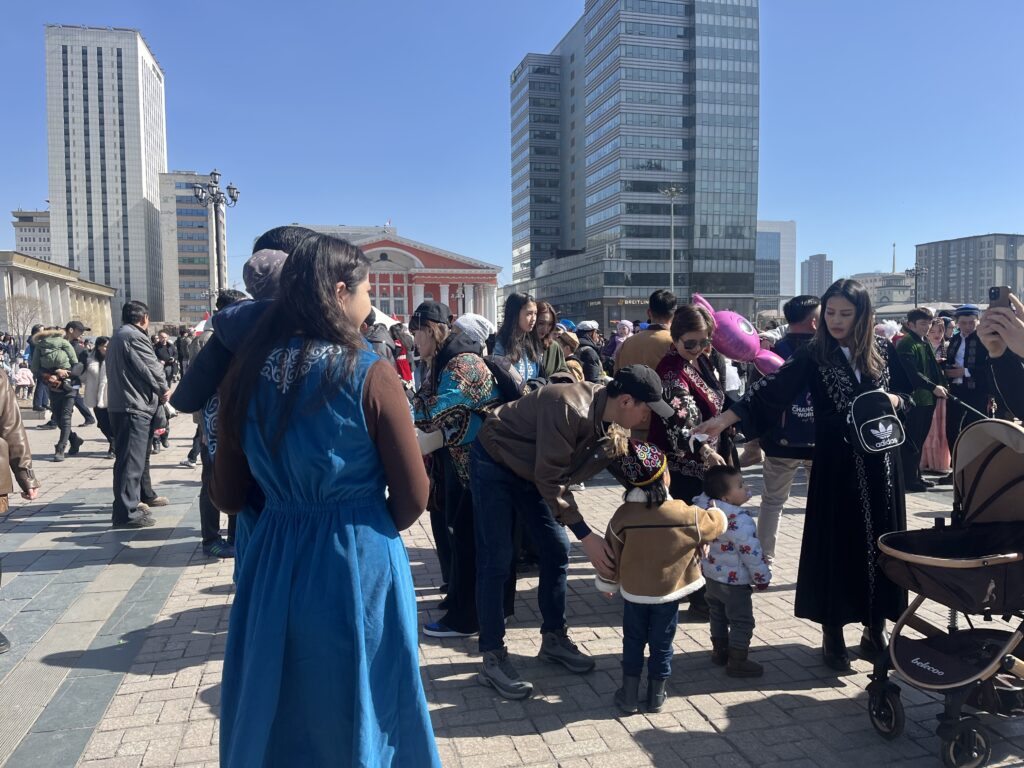
Koko, a staff member at Tsokto Mongolia Horse Riding Tours who lives in Mongolia, sent us photos of the Nauryz festival held by the Kazakh community at Sukhbaatar Square in Ulaanbaatar.
In Kazakhstan, Nauryz is a holiday on March 22. Kazakhs living in Mongolia celebrate this day with great care, too.
Customs on the eve of Nooruz
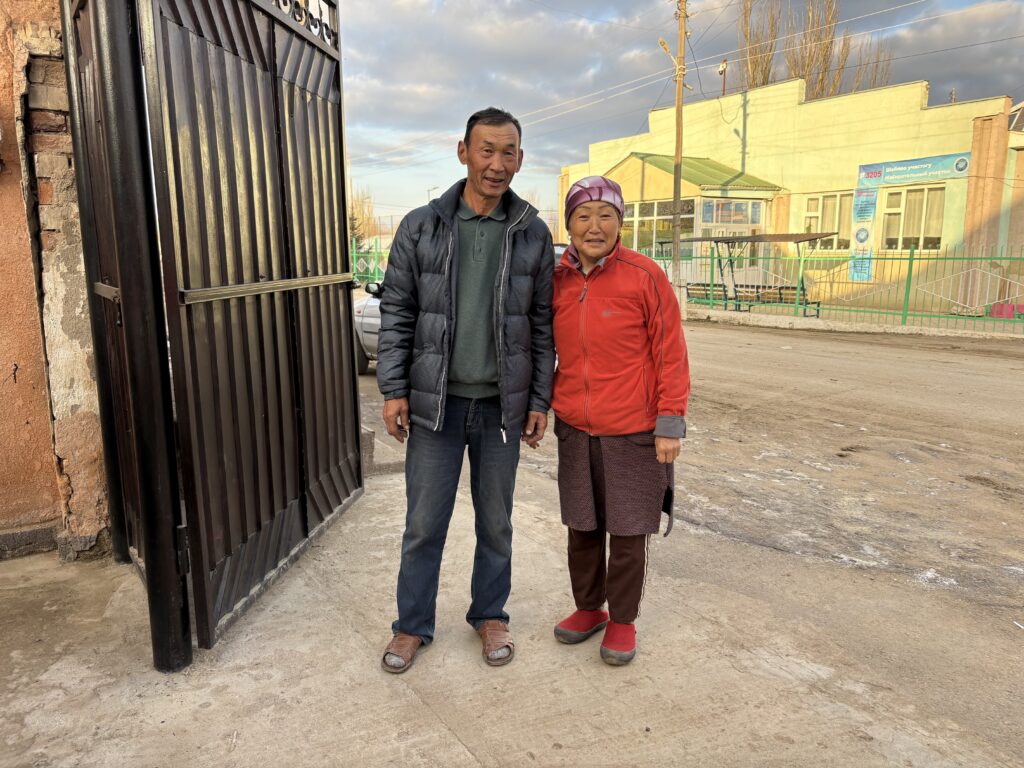
Nooruz doesn’t just happen on the day itself; it starts the night before.
Tidy the house, tidy the heart
On the eve, people give the house a thorough cleaning to welcome the new year in a clean state. There’s also said to be a custom of paying off debts and asking forgiveness from anyone you’ve hurt in the past.
The idea of starting the new year free of emotional baggage is similar to New Year in Japan.
Preparing to welcome the blessings of spring
On the eve, people prepare containers filled with water, milk and grain. It’s a custom that expresses the wish for rain and a rich harvest.
What is sumolok, the Nooruz food?
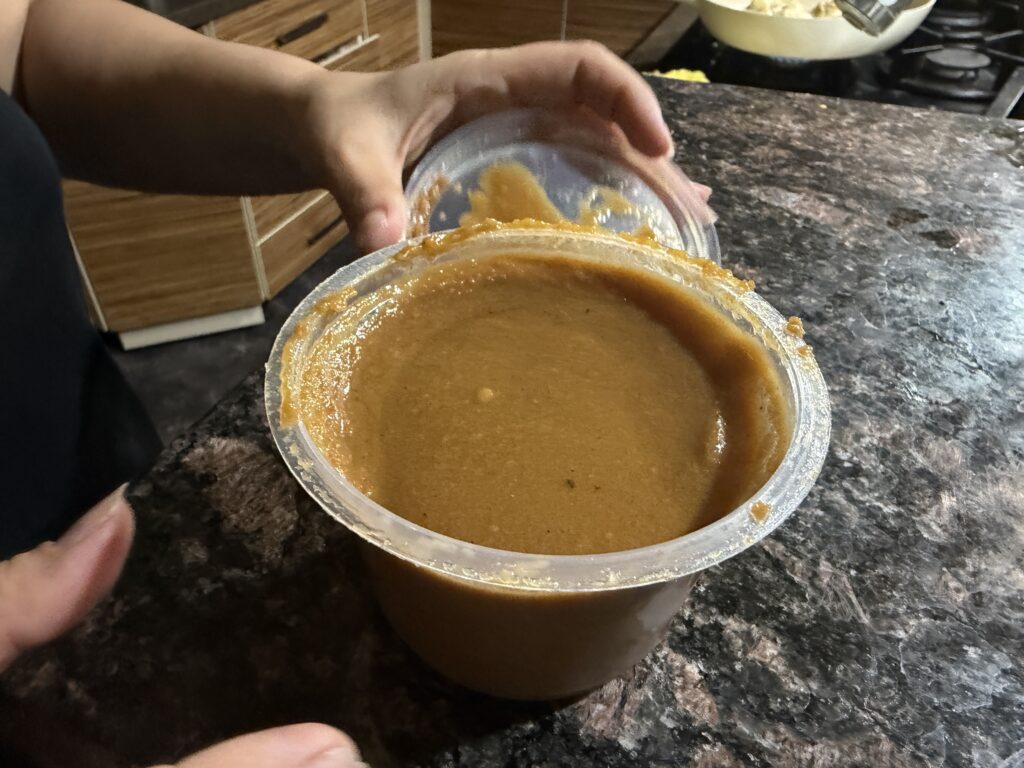
The essential food for Nooruz is “sumolok.”
A special dish that takes hours to make
Sumolok is made by simmering sprouted wheatgrass for hours, sometimes for more than a whole day. Flour or oil may also be added. When simmering it in a large pot, the traditional method is to add small stones so the grain doesn’t burn.
Find a stone and your wish comes true
There’s a legend about the small stones: if you find a stone in your cup, make a wish and it will come true.
It’s a bit like the galette des rois eaten at New Year in France.
Made by women while singing
Because sumolok takes so long, it’s customary for women to gather and sing while they make it. It’s said this also infuses the dish with positive energy.
Kyrgyz people sometimes sing while doing embroidery too. They really are full of cheerful energy.
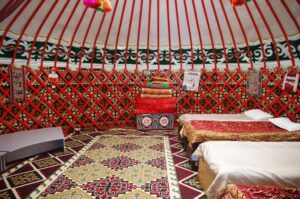
How Nooruz day is spent
Welcoming spring with music and dancing
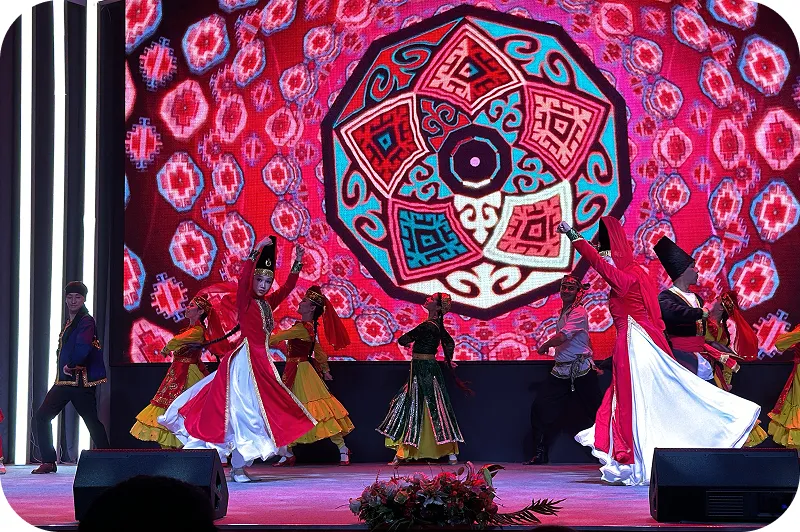
Nooruz morning begins with music. The sound of the karnai, a long horn resembling a trumpet, rings out, and festivals and folk dances take place everywhere.
Nomad games are a highlight
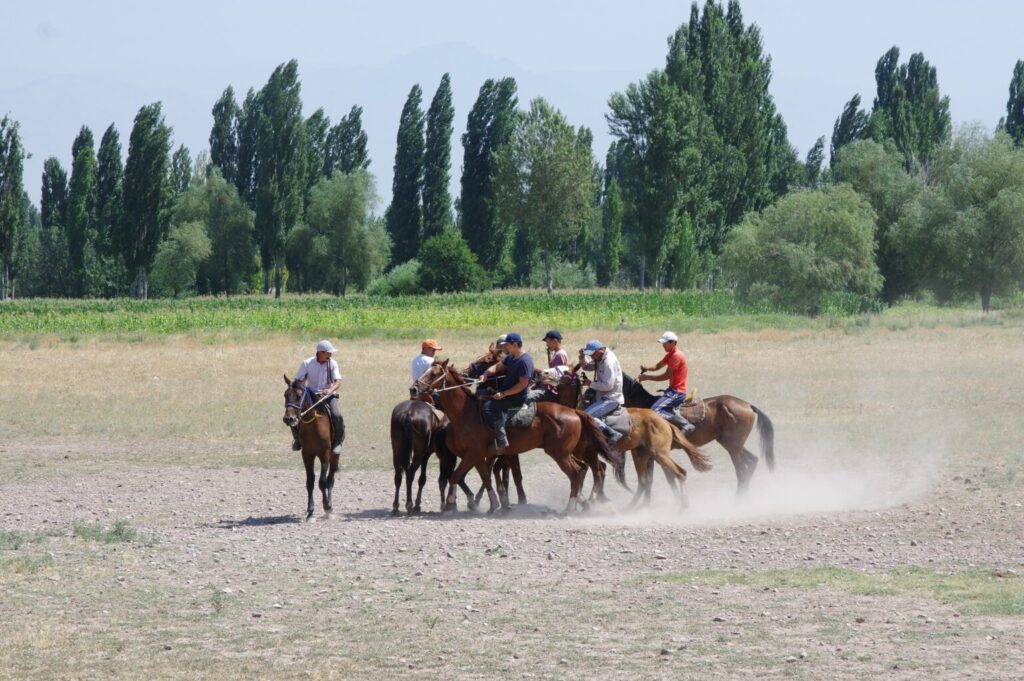
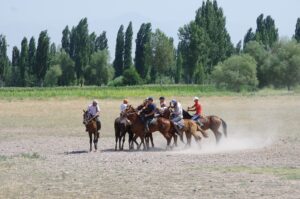
Horseback games are an essential part of Nooruz. Equestrian competitions are held in many places, including the hippodrome (racecourse) in Bishkek. There’s archery, “er enish” (horseback wrestling), and championships of Kyrgyzstan’s traditional sport “kok-boru.”
Kok-boru is a rather unusual traditional sport that has even been featured on Netflix. In a word, it’s “horseback rugby where riders fight over a goat ◯◯.” I’ve written about it in detail, so please take a look if you’re interested ↓
For children born on March 21…
There’s a custom of naming boys born on Nooruz “Nooruzbek” or “Nooruzbai,” and girls “Nooruzgul.” Snow on Nooruz is also considered a good omen, and it’s said to be likened to a girl’s beauty.
Join an event
In Bishkek, events are held in each district every year for Nooruz. With yurt displays, traditional food, sports competitions and more, it’s a great chance to experience Kyrgyz culture casually.
2026 Nooruz event information in Bishkek
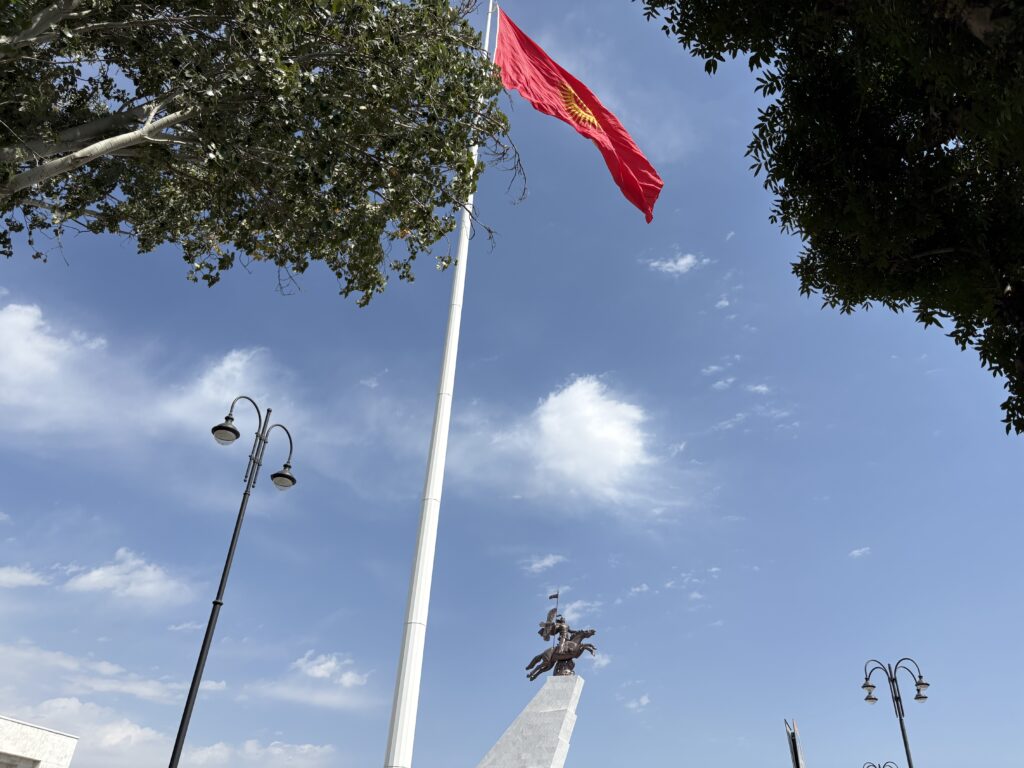
Sverdlovsky District | Karagachevaya Roshcha
12:00–16:00. Enjoy yurt displays, introductions to folk customs and everyday culture, concerts, sports competitions, folk craft workshops and a traditional food fair.
Oktyabrsky District | Intimak 2 Park
Besides concerts, you can enjoy folk sports and national games such as chess, tug-of-war, toguz korgool, darts, soccer and volleyball. There are also workshops and exhibitions. An event for all ages, from kids to adults.
Leninsky District | Archa-Beshik area
Starts at 14:00. Concerts, displays of folk traditions, a yurt ethno-town, themed exhibitions and workshops. At Ashar Park in the Ak-Orgo area, from 15:00 you can enjoy yurts, an ethno-style buffet and sports games.
Pervomaisky District | Ak-Bosogo area
Yurts, folk games, demonstrations of customs and concerts. Traditional food is also served.
If you’re sightseeing in Bishkek, you can easily drop in on any of these district events. It’s a chance to step inside a yurt, taste traditional food and experience Kyrgyz culture firsthand in a way you won’t on ordinary sightseeing.
Source: News site 24.kg
Nooruz as seen by a staff member living here
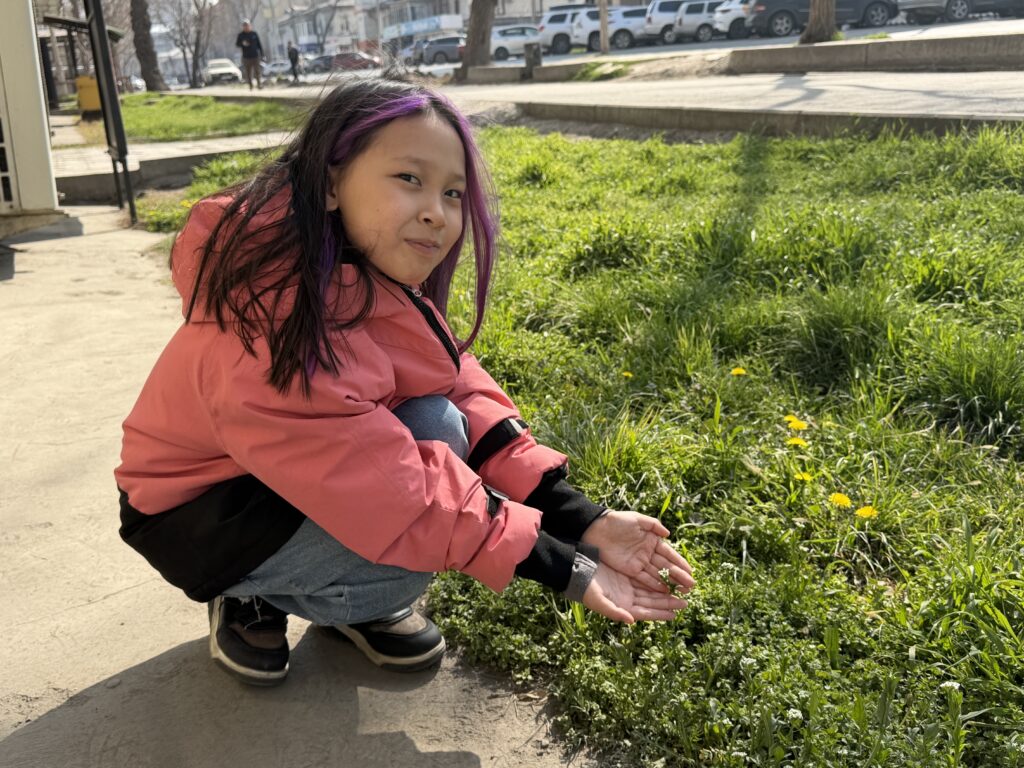
The day before
This year Nooruz fell on March 21, so the atmosphere in the city started to change from the day before, March 20.
Schools closed, and shops?
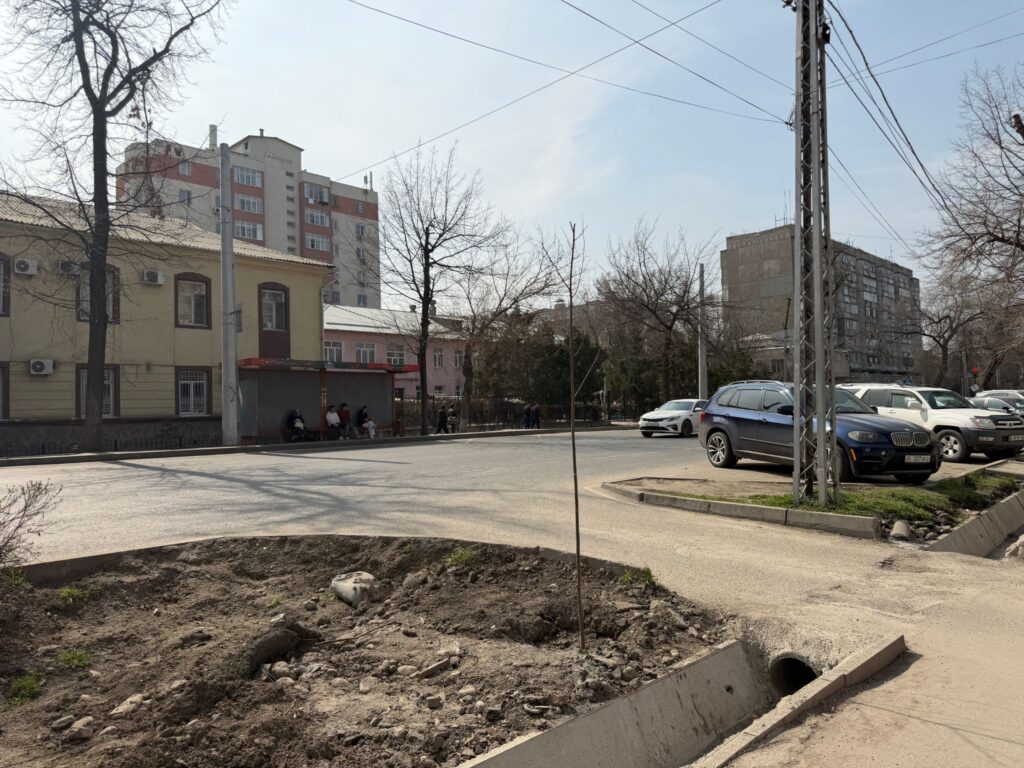
On March 20, schools were closed. Many privately run businesses such as dentists were closed, while supermarkets were open as usual. Even if something urgent comes up while you’re traveling, supermarkets are open, so don’t worry.
Cafés full, few cars
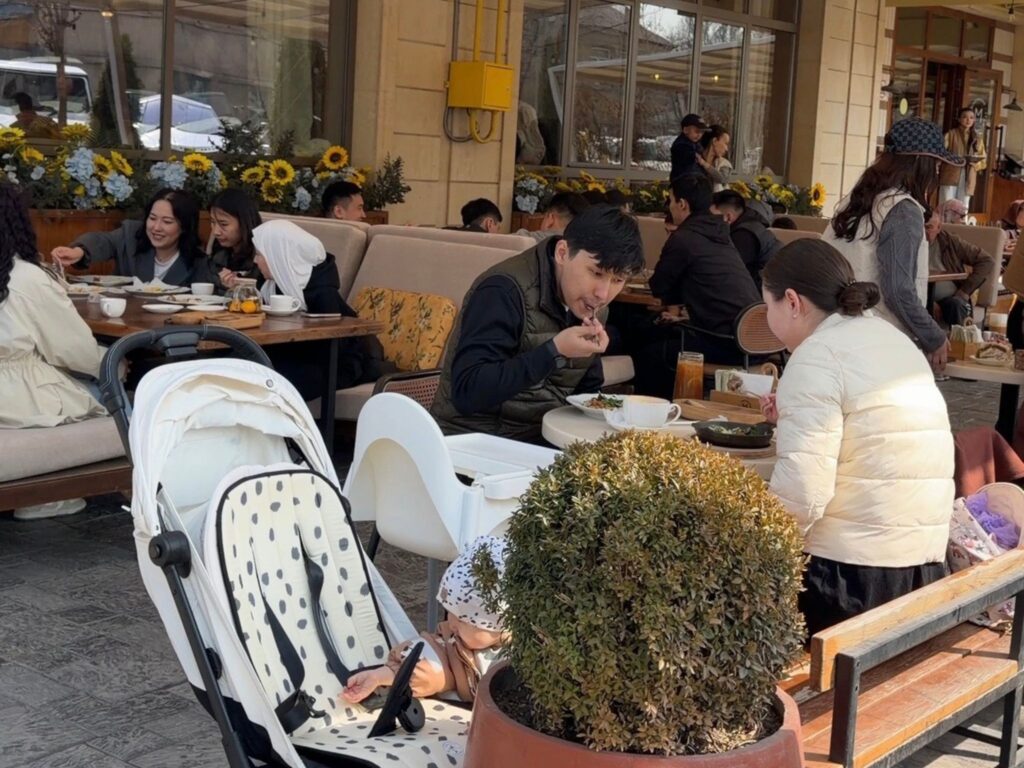
Roads that are usually crowded were strangely empty. On the other hand, when I tried to go to a café, it was full and I couldn’t get in. Everyone seemed to be enjoying meals with family and friends or heading out of town.
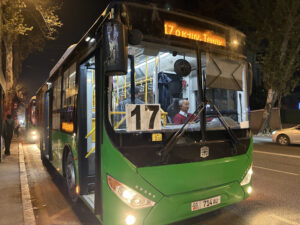
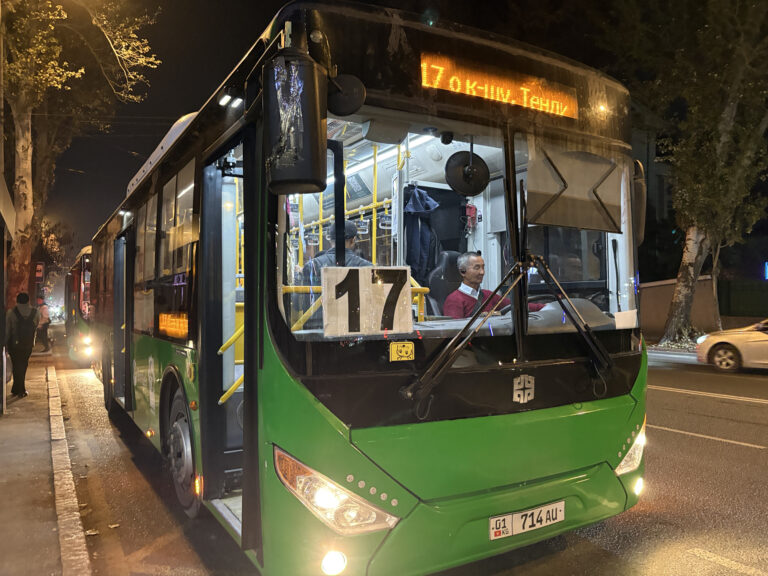
The bus stops were also emptier than usual.
This year it coincided with the end of Ramadan
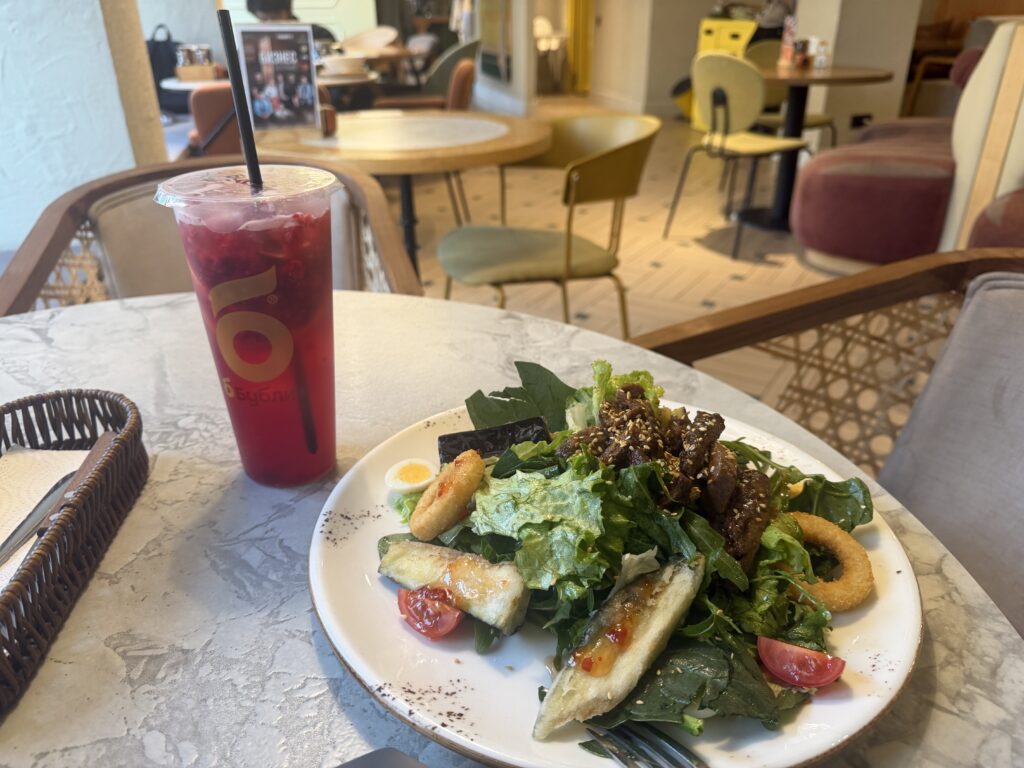
In 2026, Nooruz coincided with the end of Ramadan, the Islamic month of fasting. The sense of release after the fast combined with the Nooruz festive mood, and restaurants were even livelier than usual.
My Russian teacher also said she was going home to her family in Issyk-Kul. It was a year when special days overlapped for Kyrgyz people.
Purifying the space with archa
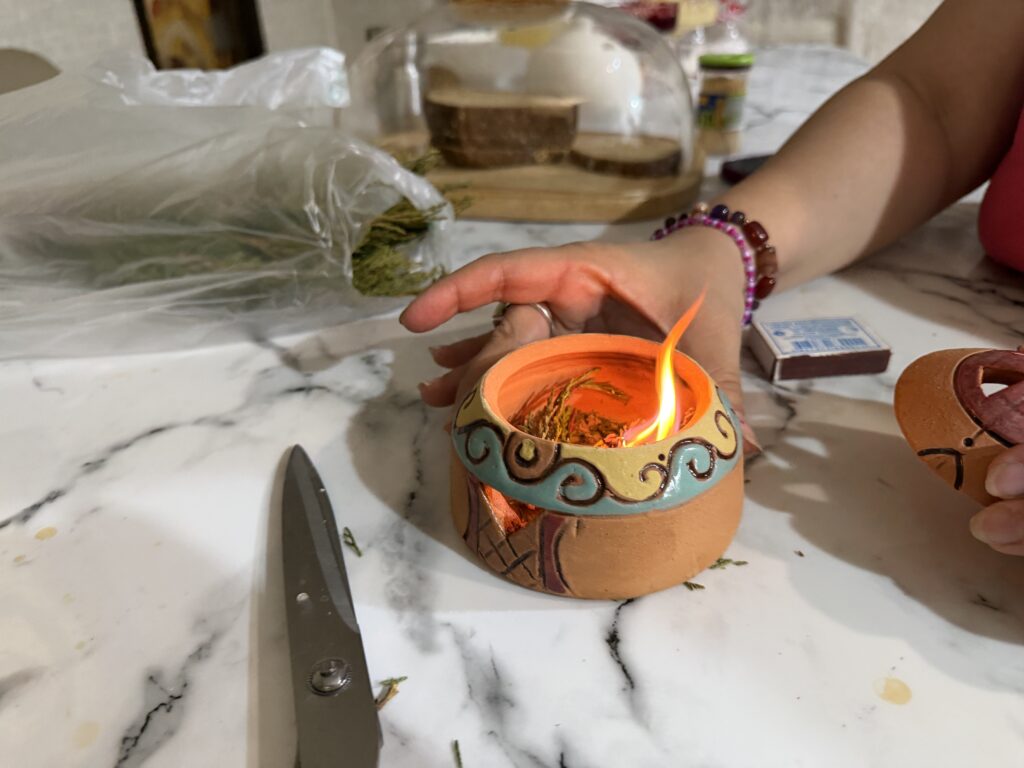
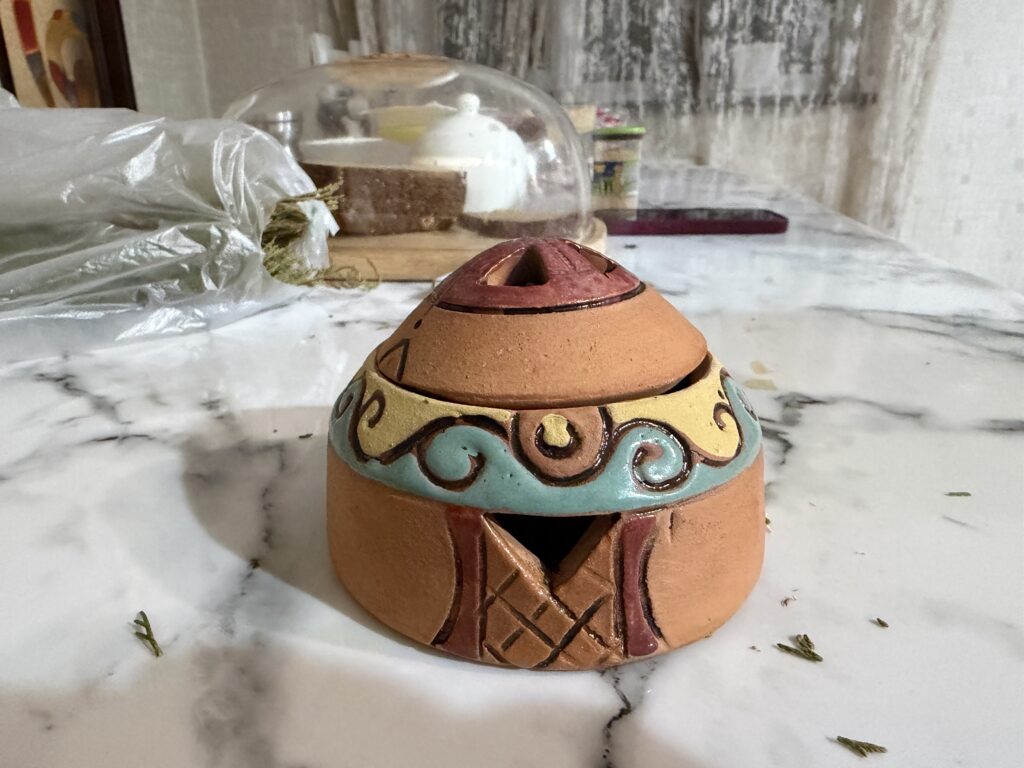
Nuriya taught me about the custom of lighting archa (a type of conifer) in an incense holder and burning it as incense. “This purifies the space,” Nuriya said.
Nuriya used a cute incense holder shaped like a yurt.
Nooruz day itself
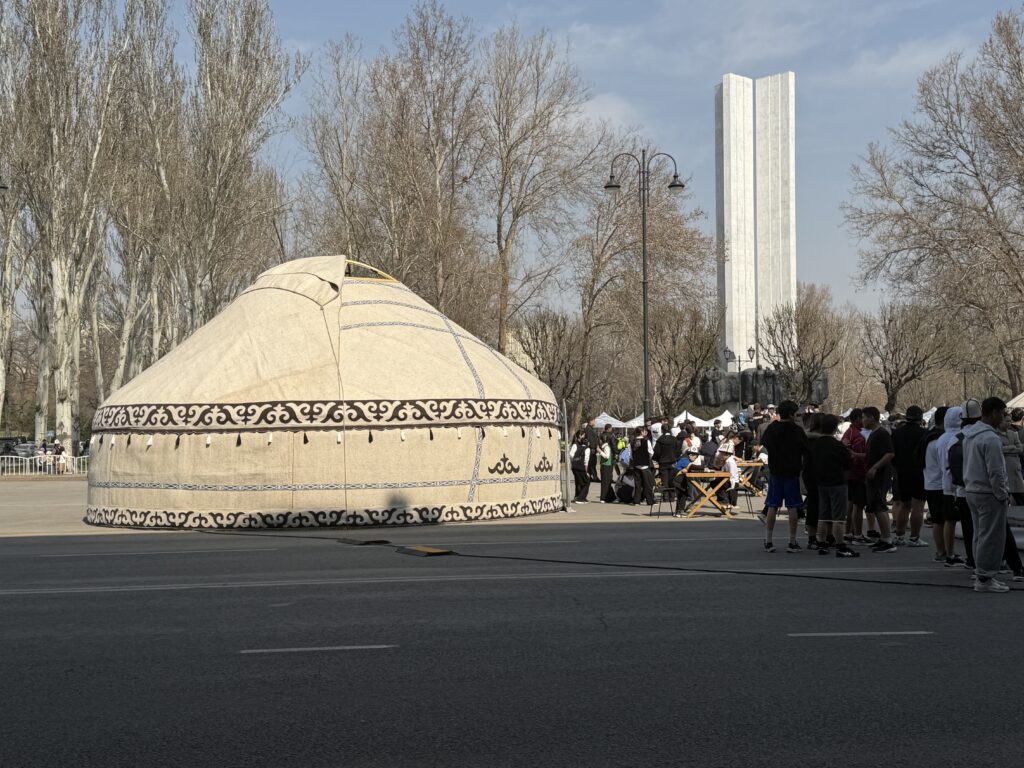
The city is quieter than usual, but the event venues are another world
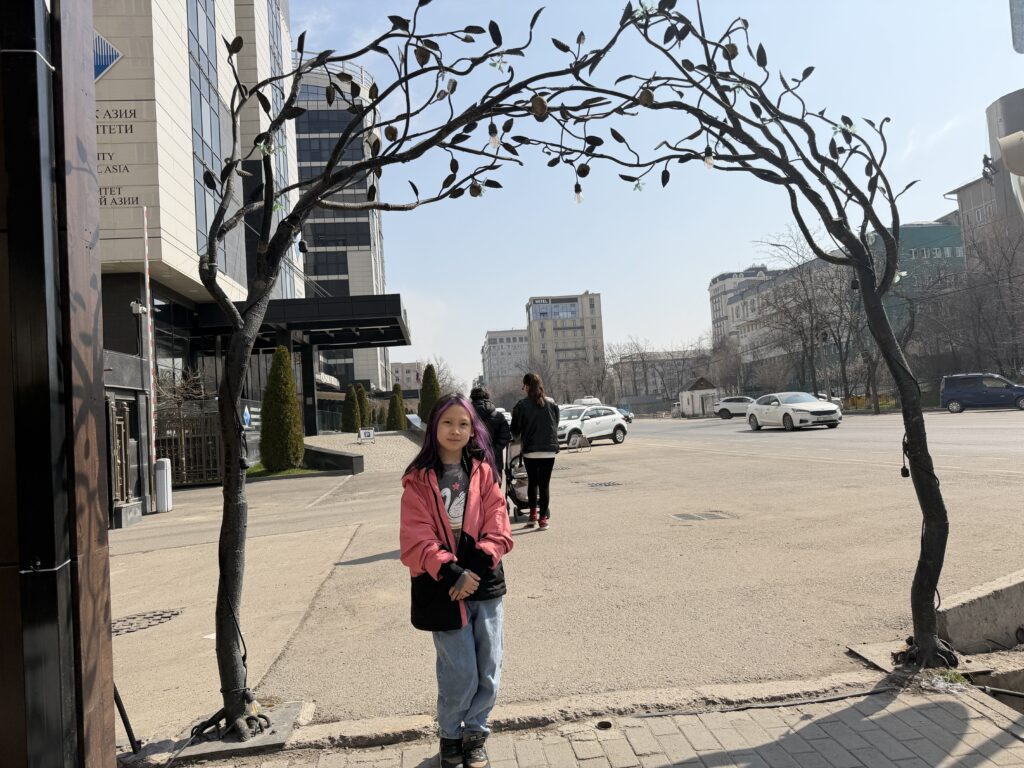
On Nooruz day, Bishkek’s roads had fewer cars than usual and were very quiet. Everyone seemed to be out at event venues or out of town.
I went to Ala-Too Square
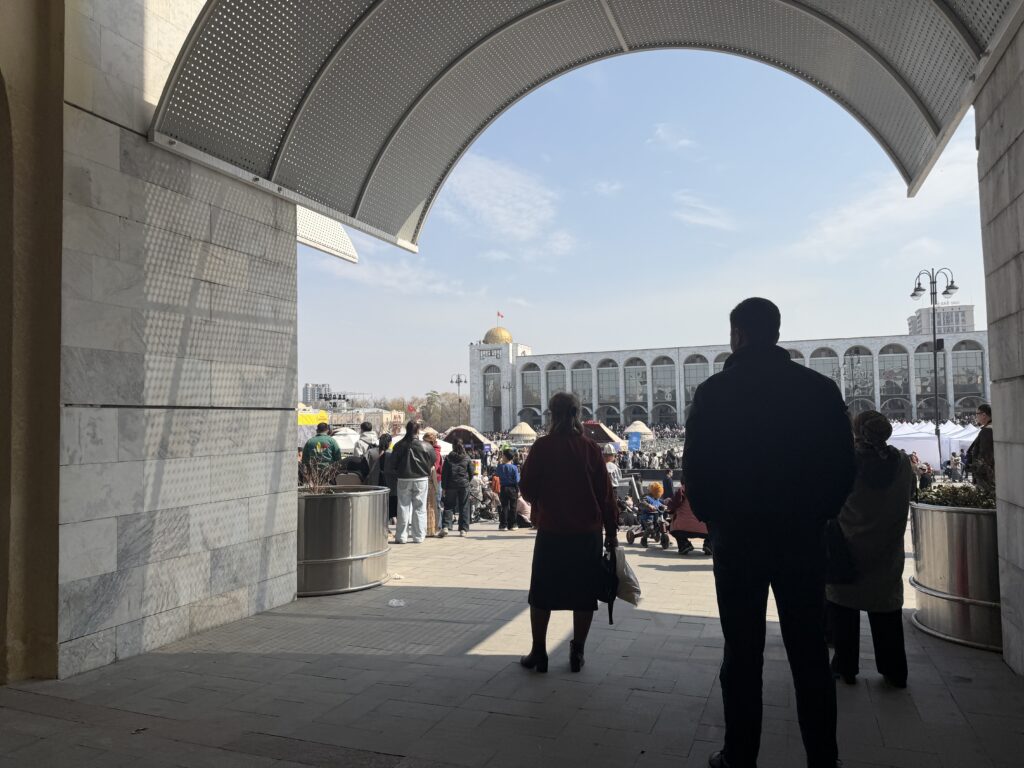
Since I had the chance, I went to Ala-Too Square on Nooruz day.
The crowds were huge, and the police had set up checkpoints to inspect bags. The square was lined with yurts, and concerts and food stalls were everywhere, making it really lively. I wanted to look around, but there were so many people that I retreated almost immediately (lol).
That shows how important this festival is to Kyrgyz people. It’s well worth going, as long as you’re ready for the crowds. If you visit, allow plenty of time and get there early.
I tried sumolok
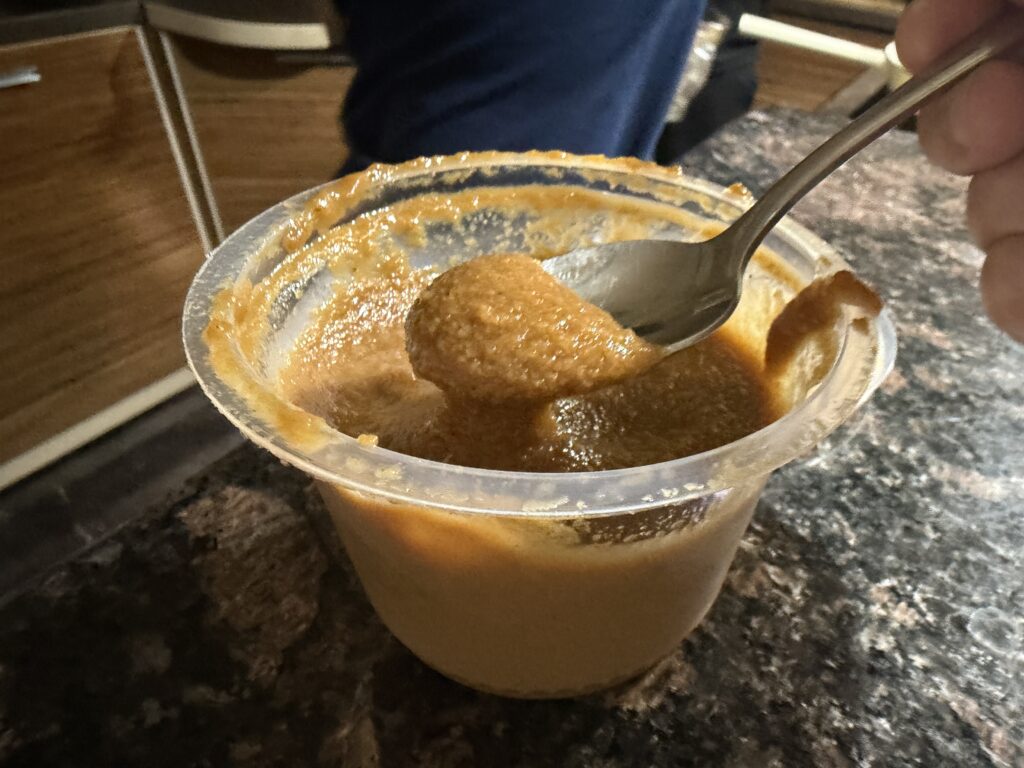
Nuriya’s son bought some at the bazaar, so I actually tried it. It tasted like a thin caramel, and I absolutely loved it.
Nuriya, however, said it was “too sweet.” I often feel that many Kyrgyz people have delicate palates.
If you’re traveling in Kyrgyzstan during Nooruz
Watch out for closed shops
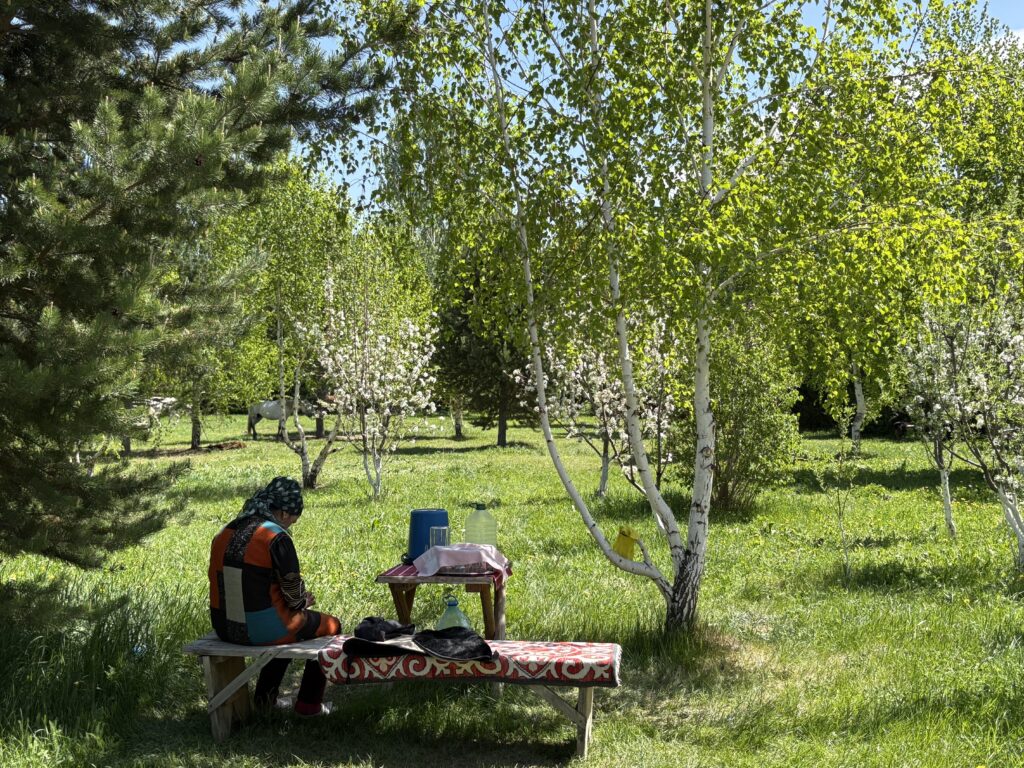
On Nooruz day, privately run shops and medical facilities may be closed. Supermarkets and large stores are often open, but it’s a good idea to prepare what you need for your trip in advance.
A chance to enjoy the festive atmosphere
If you visit Kyrgyzstan around Nooruz, you may see a side of the country you wouldn’t normally see. This is the only time of year you can come across a festival that condenses Kyrgyz culture, from equestrian competitions in the countryside to folk dances.
Popular cafés and restaurants with terrace seating get crowded
Cafés and restaurants are crowded around Nooruz. Especially in years when it coincides with the end of Ramadan, the whole city is in a festive mood. Give yourself plenty of time.
Nooruz Q&A
Q: Is Nooruz celebrated only in Kyrgyzstan?
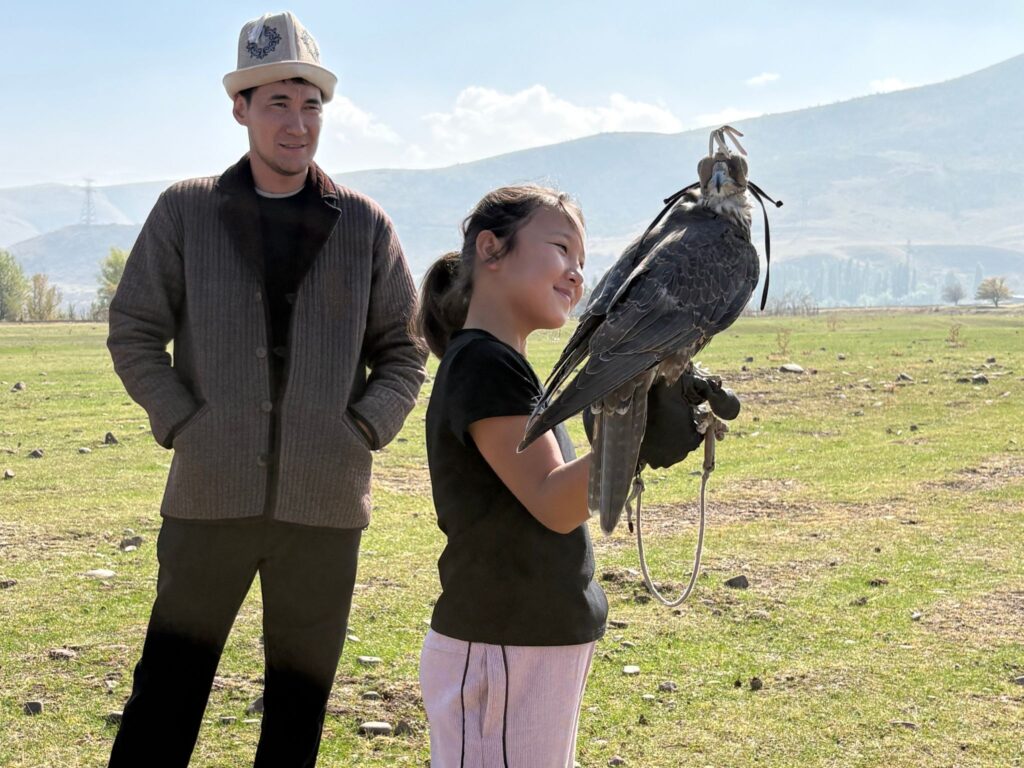
A: No. It’s widely celebrated across Eurasia, including Central Asia and the Middle East. It’s also a national holiday in Iran, Kazakhstan, Uzbekistan, Afghanistan and elsewhere.
Q: Is it OK to travel in Kyrgyzstan during Nooruz?
A: Of course. However, privately run shops and medical facilities may be closed. It’s a good idea to prepare what you need in advance.
Q: Where can I eat sumolok?
A: Around Nooruz it’s mostly made at home and is rarely served in restaurants. If you’re invited into a local home, be sure to try it.
Why not experience spring in Kyrgyzstan together?
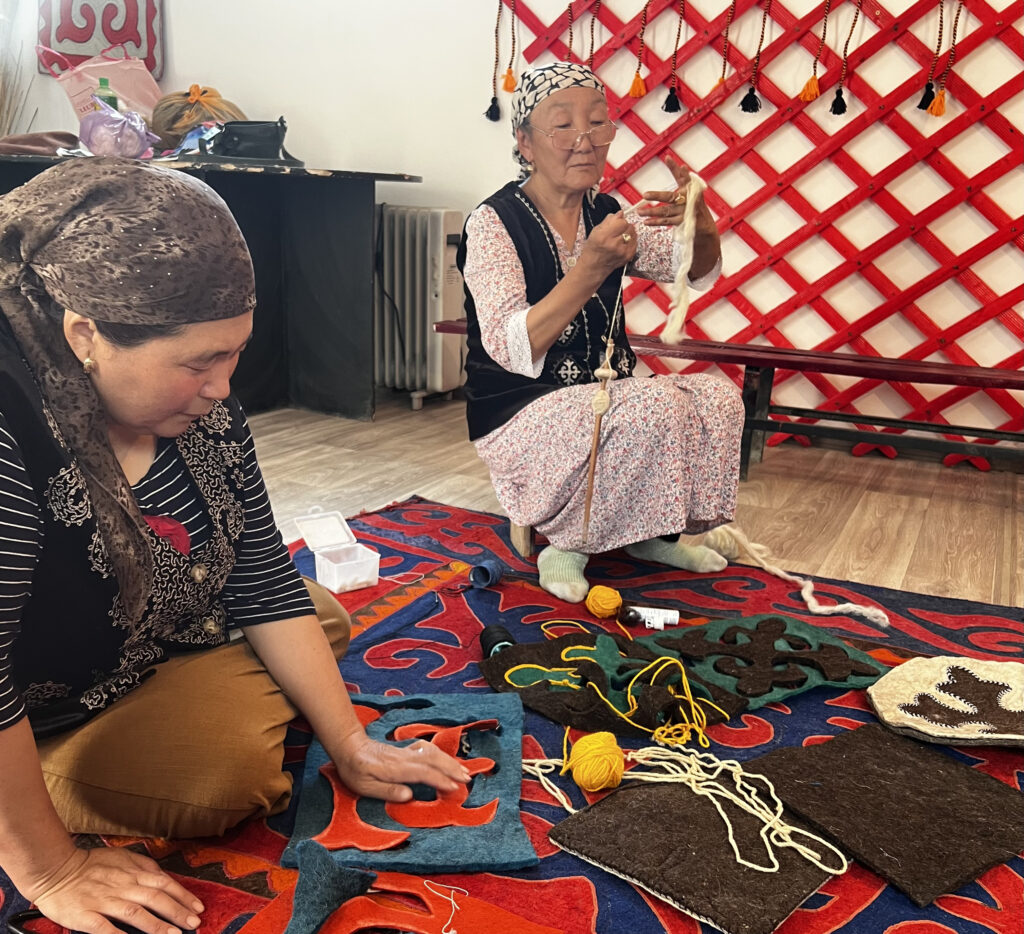
Nooruz is a festival where Kyrgyz people celebrate making it through winter and the arrival of spring.
The thrill of equestrian competitions, sumolok made by women while singing, the sound of the karnai echoing through the streets. Travel in Kyrgyzstan at this time of year and you’ll discover a side of the country that isn’t in the guidebooks.
ASHU TRAVEL offers horse riding tours where you can experience Kyrgyz culture and nature firsthand. Make felt or the traditional bread boorsok with local people, spend time with nomads…
For example, on our Song-Kul tours, you’ll try felt-making on the way to Song-Kul.
On our Chong-Kemin tours, you’ll try making boorsok.
On our Bishkek and Jeti-Oguz tours, you’ll spend time with nomads.
Cultural experiences through interaction with local people are special, once-in-a-lifetime moments. They offer something you can’t get just by visiting famous sights. For a journey that goes beyond sightseeing, choose ASHU TRAVEL.


 Related Articles