




Salamatsyzby! This is Sugi from ASHU TRAVEL, offering scenic horse riding tours in Central Asia.
When you start planning, “My next vacation will be in Kyrgyzstan, with its untouched nature!”, one thing you might wonder about is local religious events.
For example, Ramadan, the Islamic month of fasting, is a special occasion that can sometimes affect sightseeing.
In this post, I’ll explain clearly what it’s really like on the ground during Ramadan and what to keep in mind. Then you can start packing for your trip with peace of mind!
What is Ramadan? The sacred Islamic month of fasting
Ramadan is the month of fasting based on the teachings of Islam. From sunrise to sunset, people don’t eat.
It’s a positive, sacred period for practicing self-discipline and reaffirming gratitude for food and compassion for others.
The dates change every year! The mystery of the lunar calendar
On the calendar we normally use (the solar calendar), Ramadan comes about 11 days earlier each year. In other words, the dates change every year.
That’s because Islam uses a lunar calendar based on the phases of the moon.
When is Ramadan in 2026? It starts around February 17
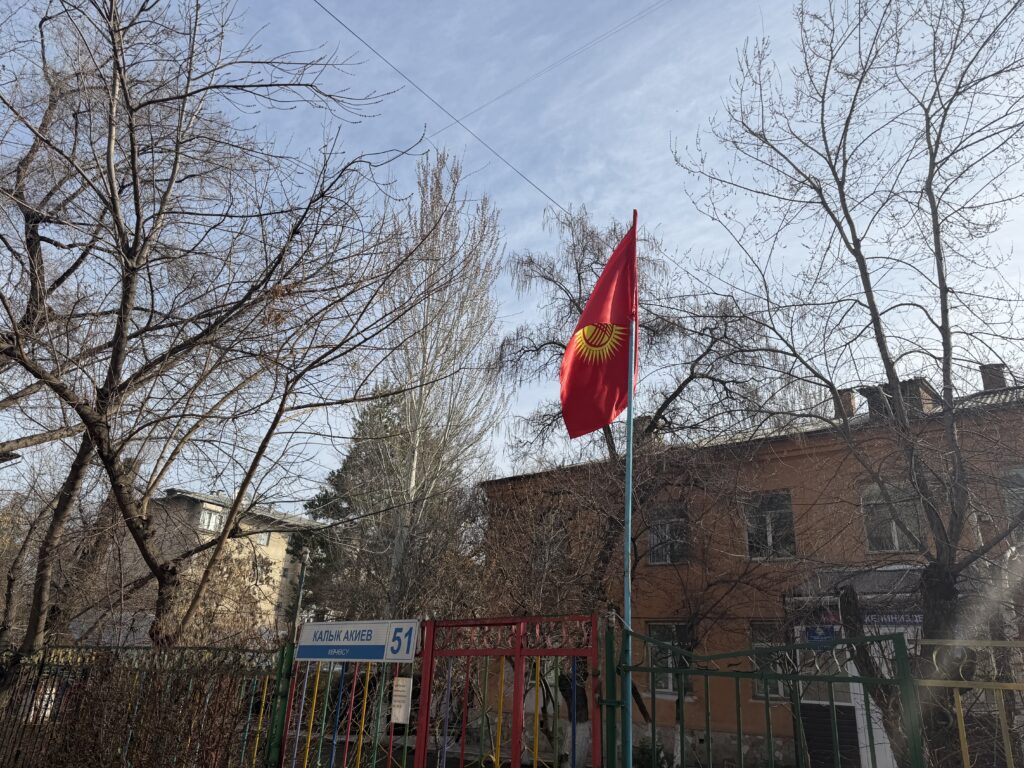
In 2026, Ramadan runs for about one month, from around February 17 to mid-March. If you’re planning a trip to Central Asia during this time, you’ll experience the local fasting season.
Whether to observe it is up to each person
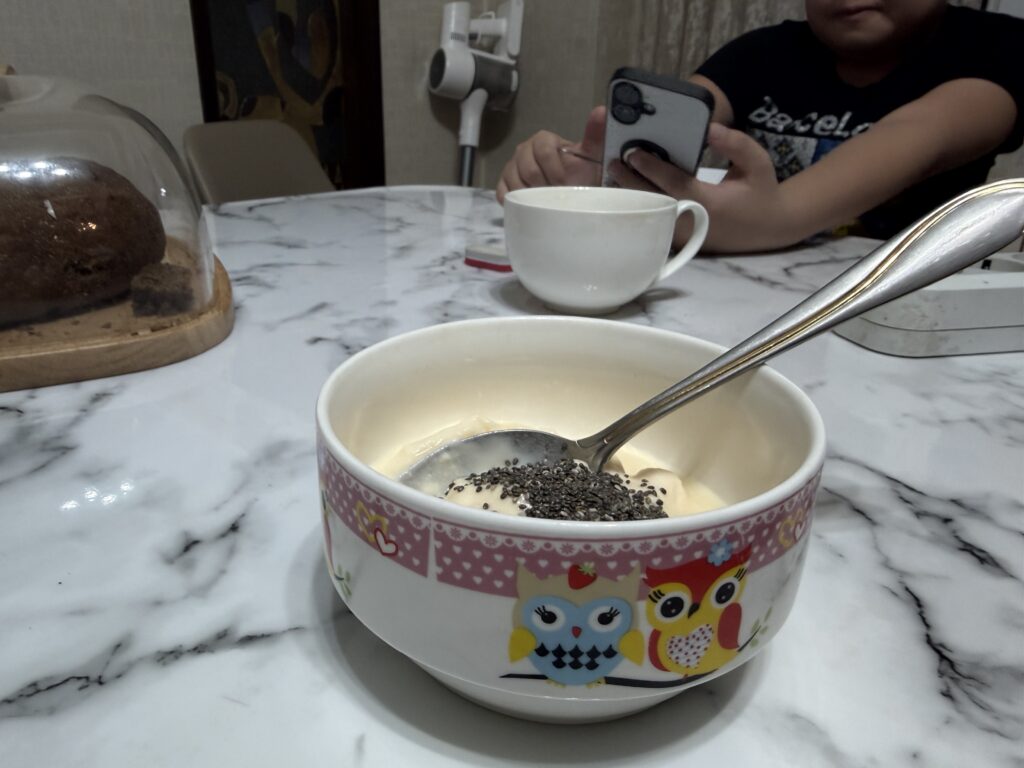
I currently live with our Kyrgyz guide Nuriya and her children. Even within the same family, whether or not to observe Ramadan is a personal choice. It’s a surprisingly tolerant culture.
Nuriya’s family is Muslim, but Nuriya herself, her eldest daughter and her second son don’t observe Ramadan; only her eldest son decided to “give it a try” starting this year.
One morning at 6 a.m., when I found him eating much earlier than usual and asked, “What’s up?”, he said, “I want to try Ramadan, so I’m eating now!”
He asked me, “You too, Sugi? (Are you up early for Ramadan?)”, and I answered, “No, I’m just hungry (lol),” and the two of us had a nice breakfast together.
My Russian teacher also told me, “I don’t do it, but my family observes it.” In this way, Kyrgyzstan is full of kindness, respecting people’s faith while accepting everyone’s own way of doing things.
What about food for travelers during Ramadan? Restaurants explained
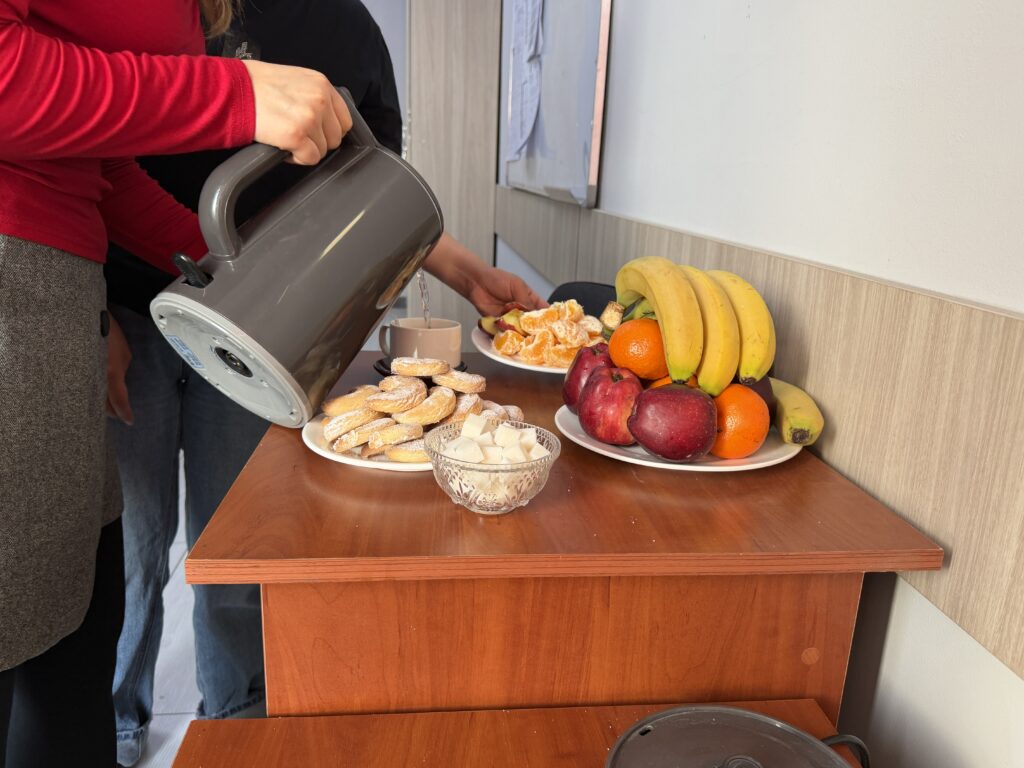
You might worry, “If I travel during the fasting period, won’t the restaurants be closed?”, but don’t worry! That said, things in town do change a little compared with usual.
Most regular cafes and restaurants in Kyrgyzstan stay open
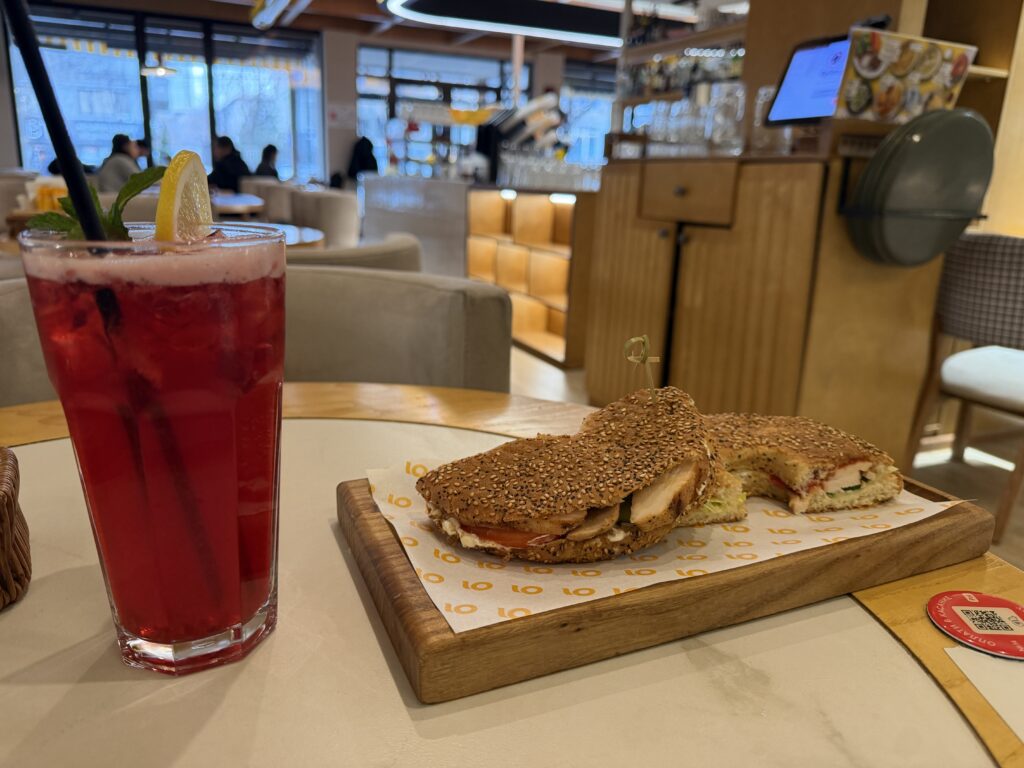
Even during Ramadan, most regular cafes and restaurants in Kyrgyz towns and cities stay open as usual. There’s very little chance you’ll be left wandering the streets looking for lunch.
That’s because Kyrgyzstan is a country with great religious and cultural diversity, and not everyone strictly observes the fast.
Restaurants serving traditional food are more likely to close
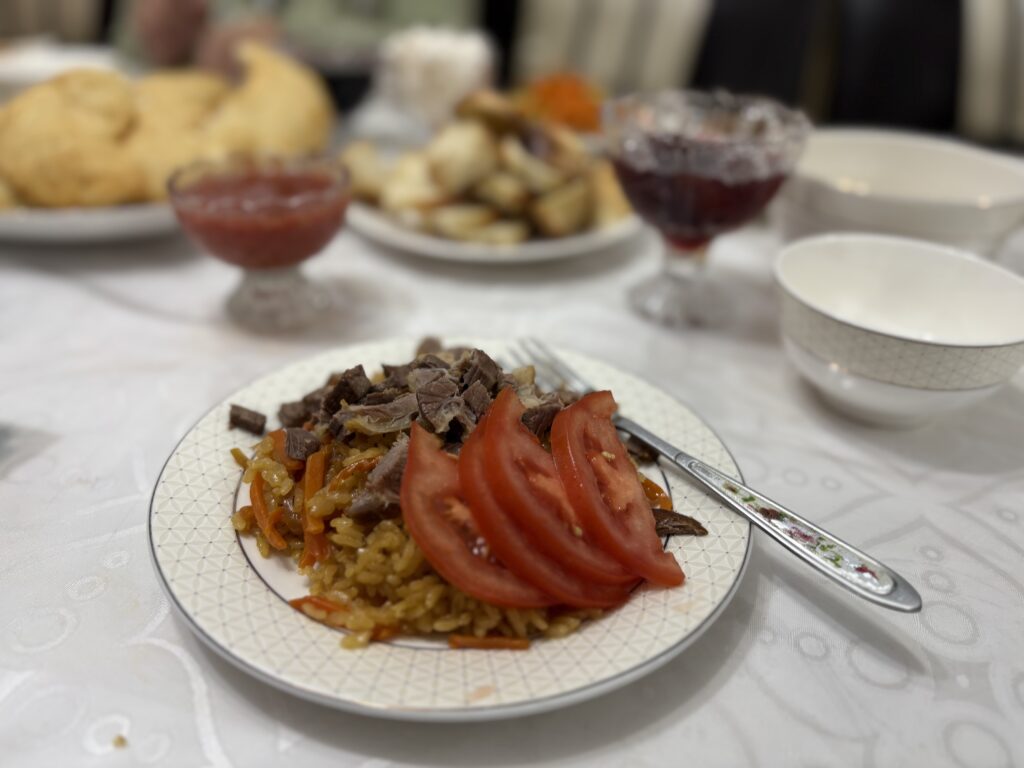
Be aware that traditional restaurants that follow Islamic practice may close. One example is Faiza, which is popular with locals too.
If you were planning to go somewhere you saw in a guidebook, check ahead so you’re not disappointed when you get there.
You can sometimes eat dishes close to traditional food at regular cafes and restaurants too, so give them a try.
Local life during Ramadan: Q&A
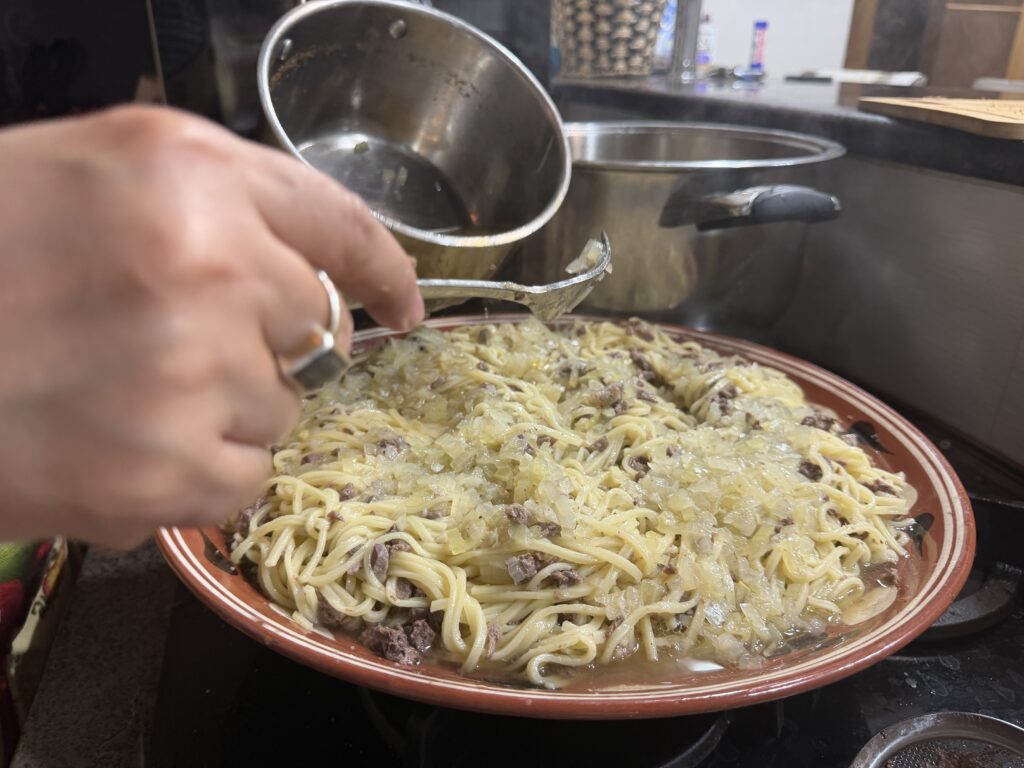
People often imagine that during Ramadan everyone is just fasting and quietly enduring it, but Kyrgyzstan during Ramadan is full of activity and warmth. Let me share the real Ramadan life that I’ve actually seen, heard and experienced here.
Q. What do people do during Ramadan?
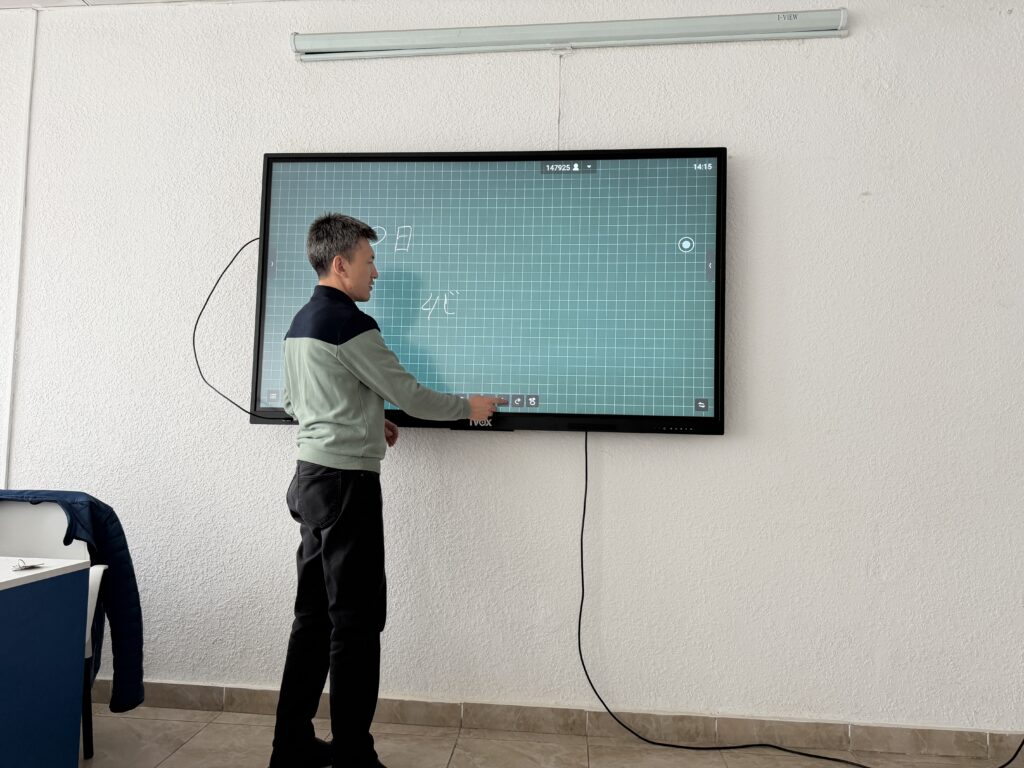
A. Ramadan isn’t just about not eating; it’s a time when people place even more importance than usual on doing good deeds. Caring for those around you and actively doing good is the Ramadan way.
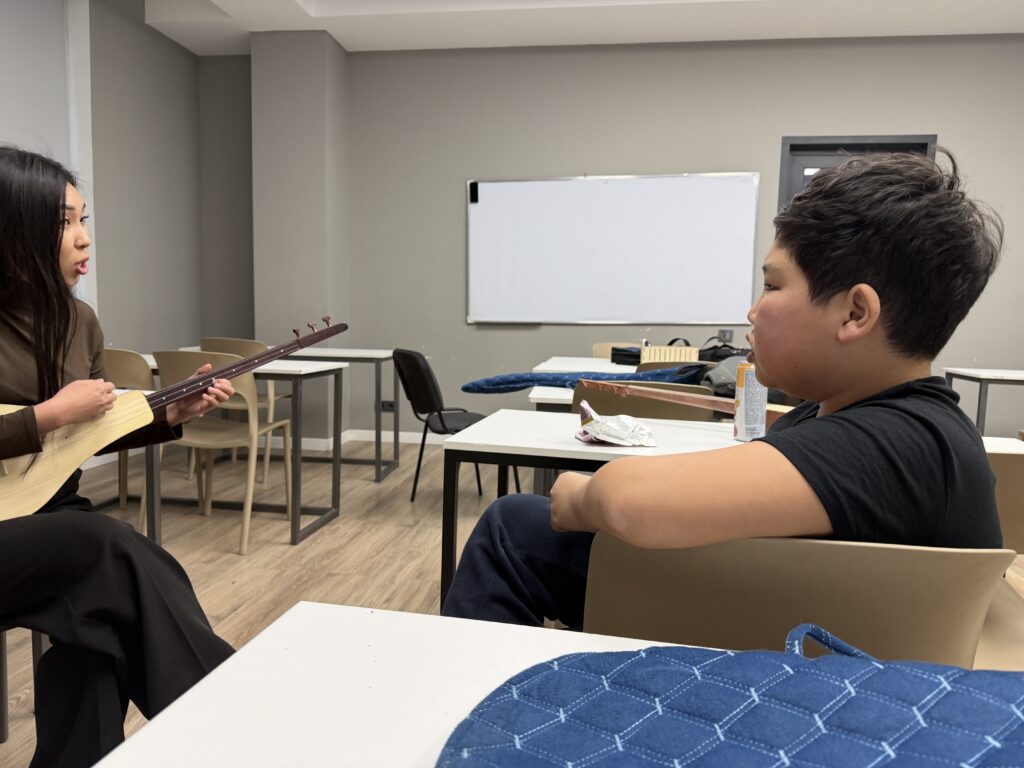
The teacher at the Japanese-language volunteer class I attend on weekends told me that since Ramadan is a time for caring about others, people who can afford it help those in need and make donations.
Also, because the Quran says to study every day, many people devote themselves to learning.
Strict with themselves, yet endlessly kind to others. Experiencing the warm spirit of the Kyrgyz people has made me love this country even more.
Q. What do people eat after sunset?
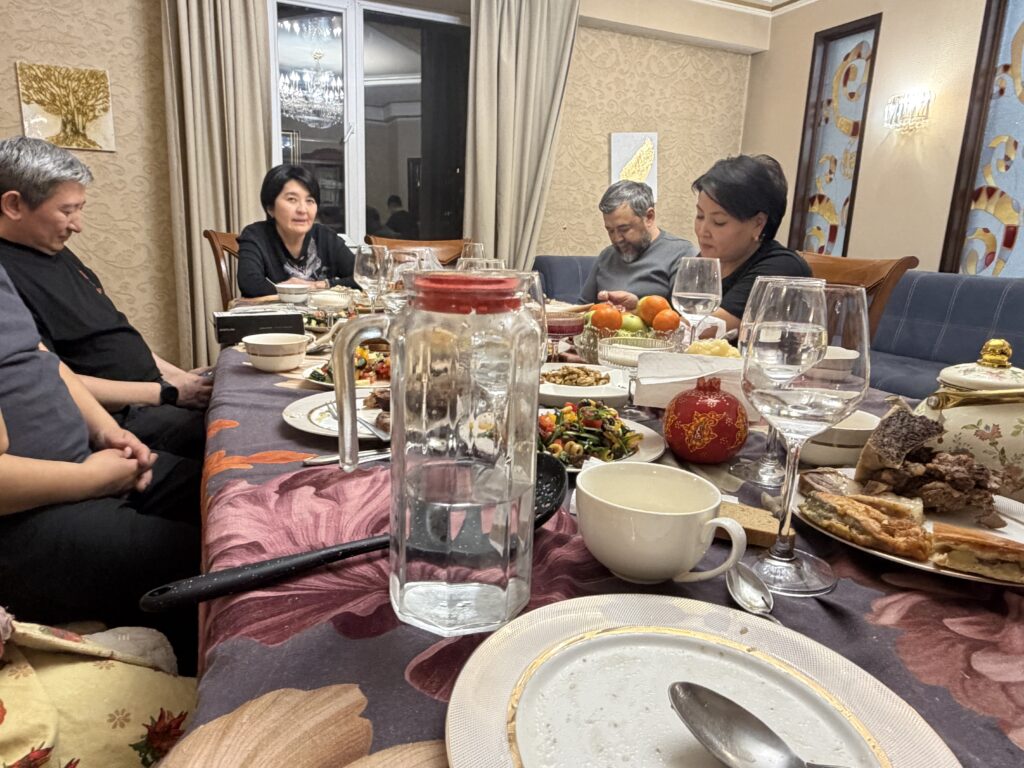
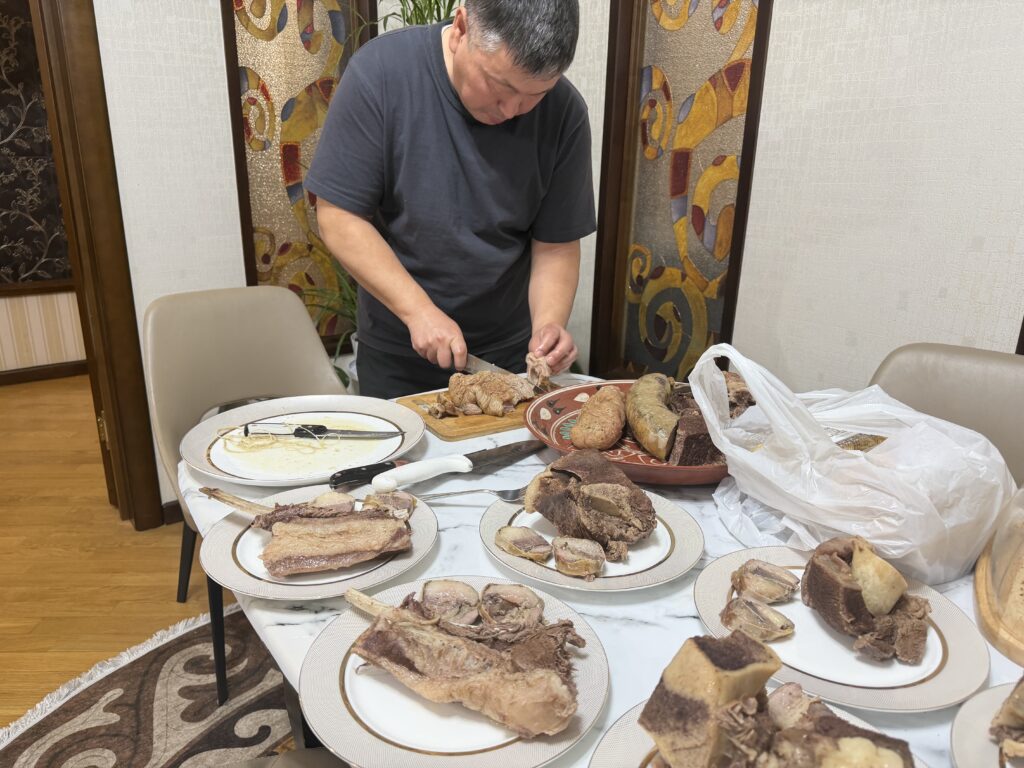
The meal after sunset, when the fast ends, is the happiest time, with family and friends gathering together! The table is filled with a lavish feast, like a festival.
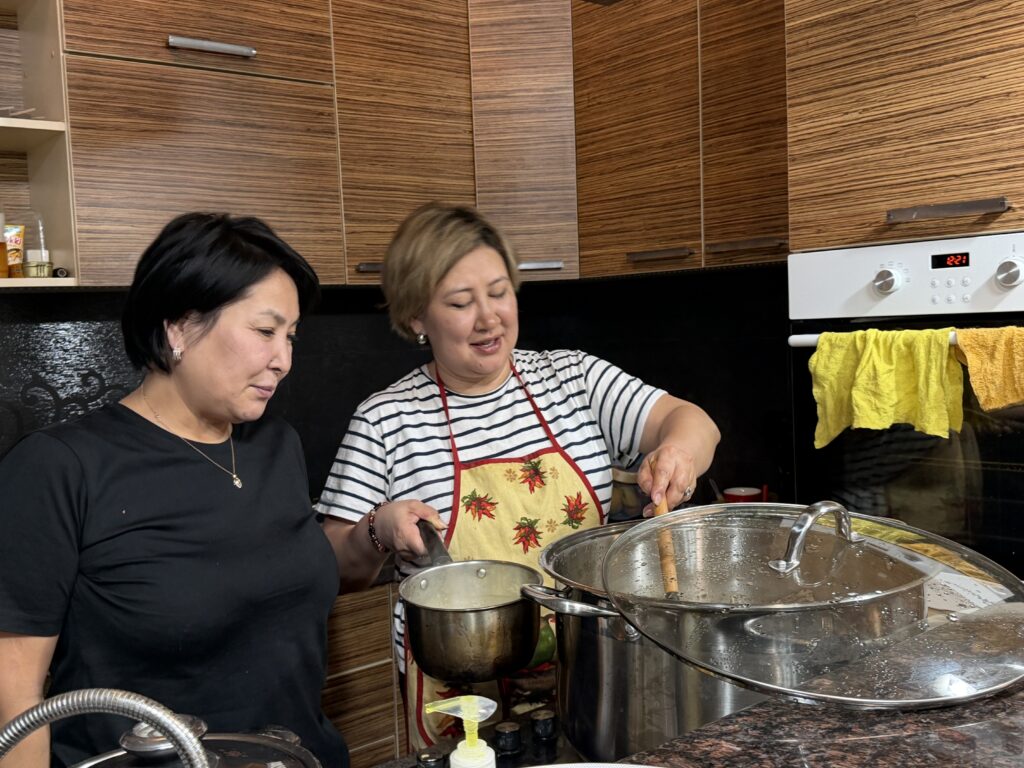
On the first weekend of Ramadan, our guide Nuriya, whom I live with, was busy and excited from the morning. When I asked what she was doing, she said, “Lots of guests are coming tonight, so I’m making a feast!”
I helped out too, and the table was covered with countless dishes, including fresh salads, salmon, and my favorite traditional Kyrgyz dish, beshbarmak.
The adults gathered around the delicious feast and chatted happily until late at night.
Q. What about children and pregnant women?
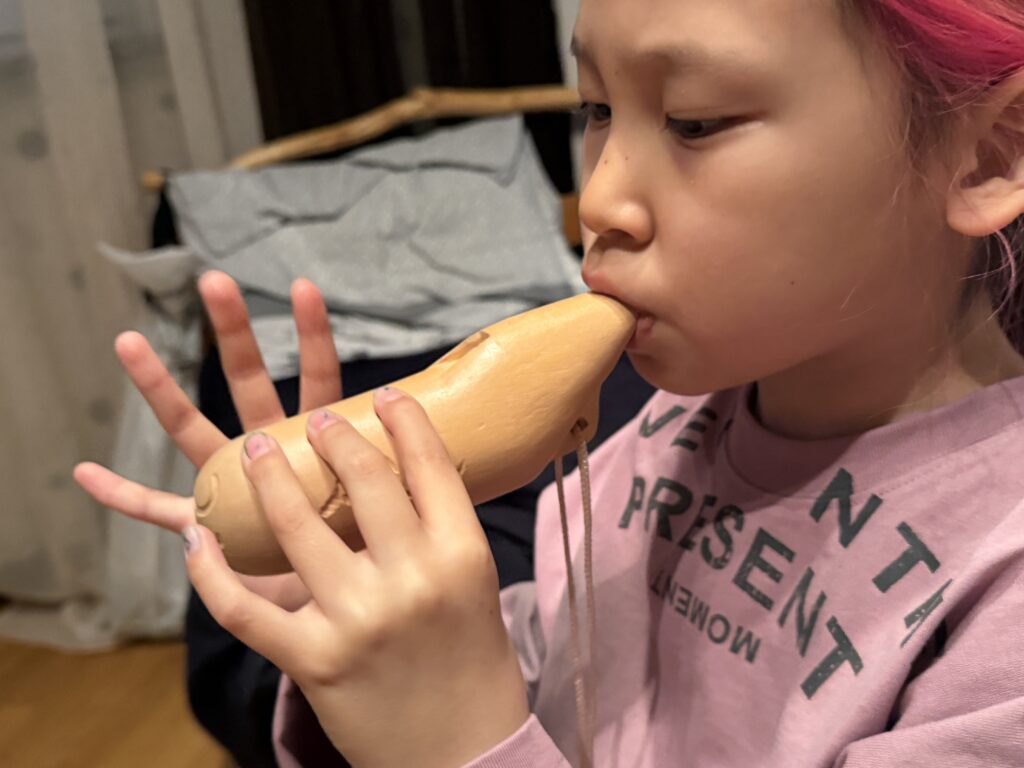
A. In Kyrgyzstan, no one has to push themselves during Ramadan. Children, pregnant women and people who are unwell are generally exempt from fasting.
At Kyrgyz schools, whether to observe Ramadan is left up to each person, and adults keep an eye on growing children so they don’t push themselves too hard and get sick.
Pregnant women are also generally exempt from Ramadan, based on the idea that “you must not do anything that’s bad for your body.”
Surprisingly relaxed?! Kyrgyz attitudes to religion, and etiquette on alcohol and clothing
Connected with Ramadan, many people may be wary, thinking, “Aren’t the rules strict in Muslim countries?” But take a look at everyday life in Kyrgyzstan and you’ll be surprised by how much freedom there is.
Some people drink alcohol, and some don’t wear a hijab
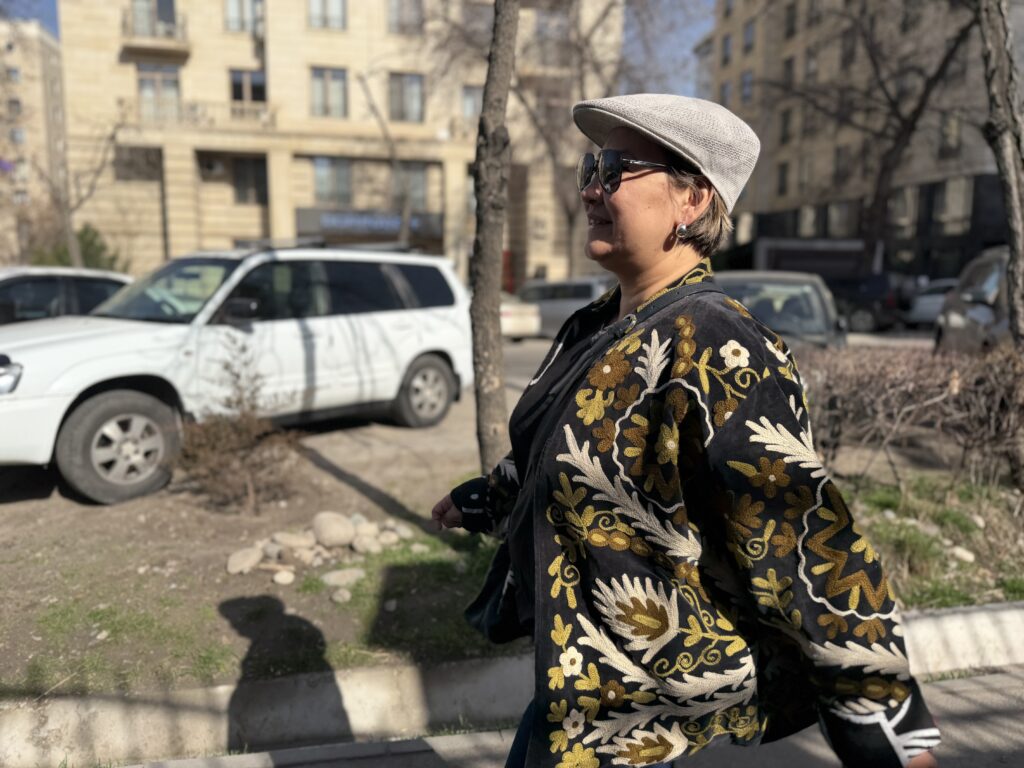
Religious attitudes in Kyrgyzstan are very liberal and diverse.
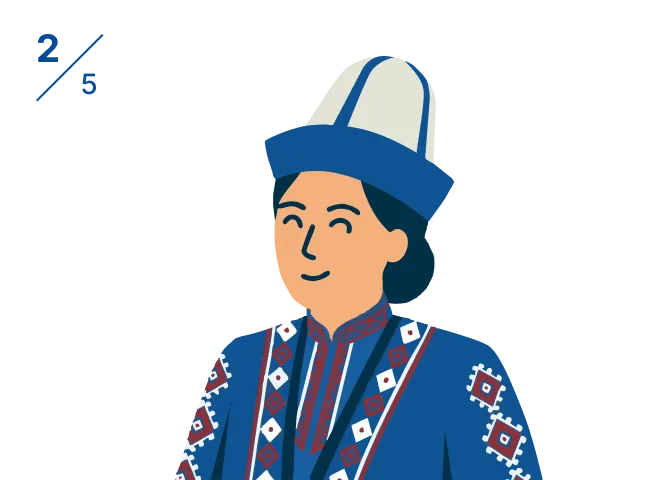
When it comes to clothing and alcohol, there’s a feeling that personal freedom is respected. Walking around town, you’ll see women enjoying stylish fashion as well as people in traditional style wearing headscarves. It’s really varied.
Surprisingly, there are plenty of people who love alcohol even though they’re Muslim, and Kyrgyzstan even makes its own cognac.
It’s a completely different world from the image of a strict religious country.
The basic rules to follow when visiting mosques and other religious sites
Kyrgyzstan has a relaxed atmosphere, but when visiting religious sites, be sure to follow the rules.
When entering a mosque, wear clothing that doesn’t show too much skin, and in some cases you’ll be asked to cover your head with a scarf.
With a guide, you can feel at ease even in a different culture
Even though Kyrgyzstan is relaxed about rules, it’s a bit nerve-racking to follow religious customs in a country you’re visiting for the first time. That’s exactly where we at ASHU TRAVEL come in.
On our tours, Japanese- or English-speaking guides who know the local customs inside out are always there to support you. Focus on enjoying your trip 100% without worrying about etiquette.
Even small questions can be answered on the spot. Traveling together, you’ll be able to immerse yourself in everyday Kyrgyz life more deeply and with more peace of mind.
Experience stunning scenery in Kyrgyzstan with a guide
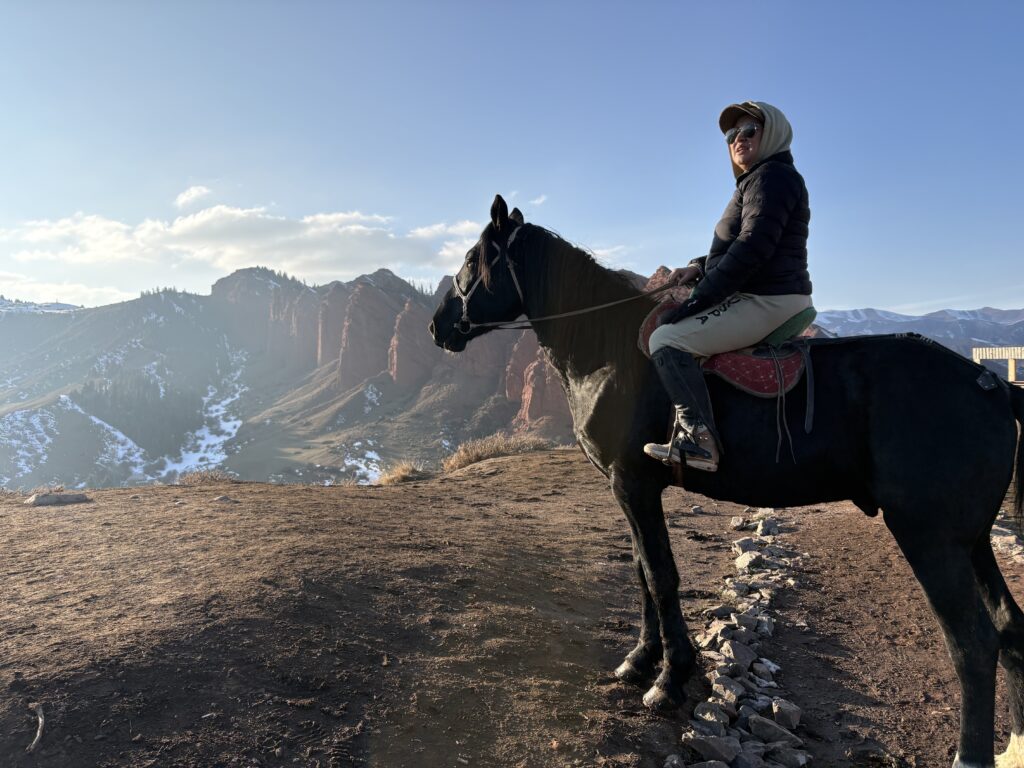
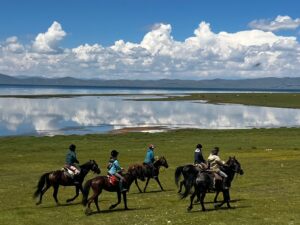
Why not let yourself be carried on horseback through scenery you’ve never seen before, for an experience that will move you?
At ASHU TRAVEL, we offer inspiring scenic horse riding tours through the magnificent nature of Kyrgyzstan and the rest of Central Asia.
• A Japanese- or English-speaking guide accompanies you, so there’s no need to worry about language
• Meals, accommodation and transfers are all included, so even first-timers can relax
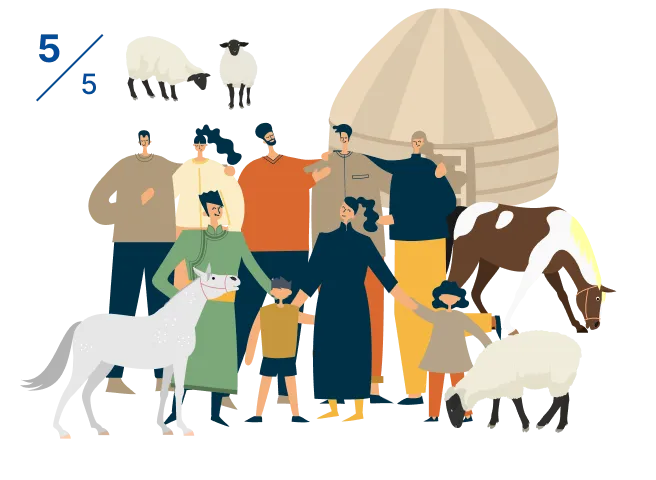
• Rich experiences of scenery you won’t see on regular sightseeing trips and of nomadic culture
📸 For the latest updates and inquiries, find us on Instagram or LINE 📩
▶︎ Instagram → @ashutravel_jp
▶︎ Ask us on our official LINE → Add us on LINE here


 Related Articles